
Last updated November 2, 2026
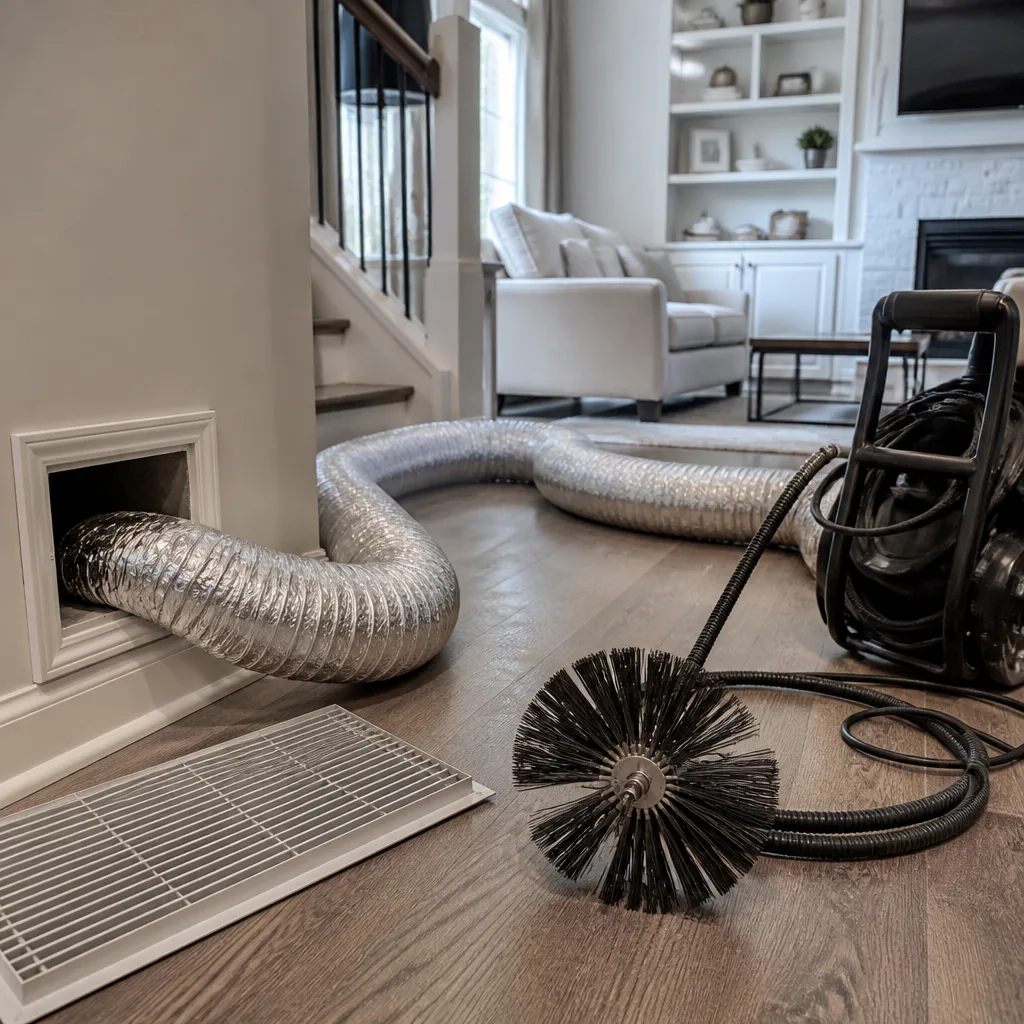 Whole-home duct cleaning
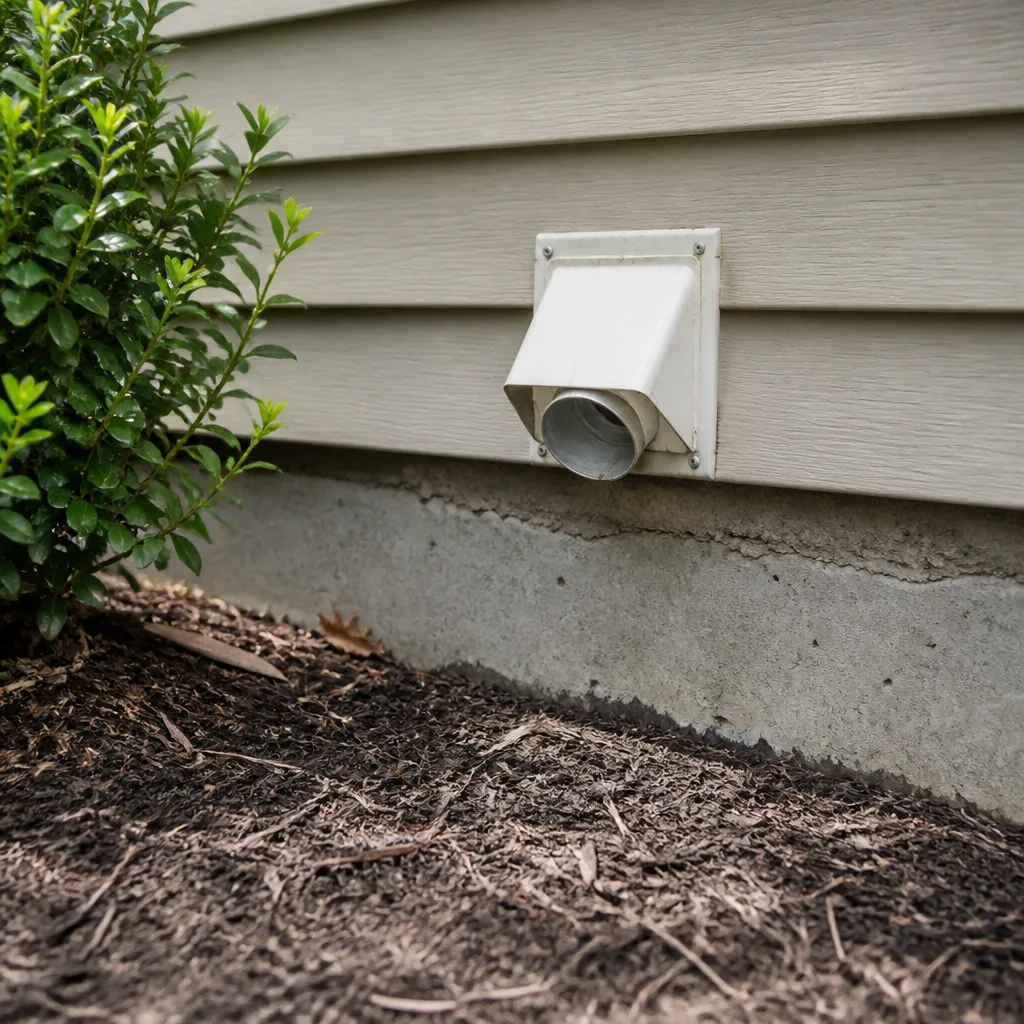 Dryer vent cleaning
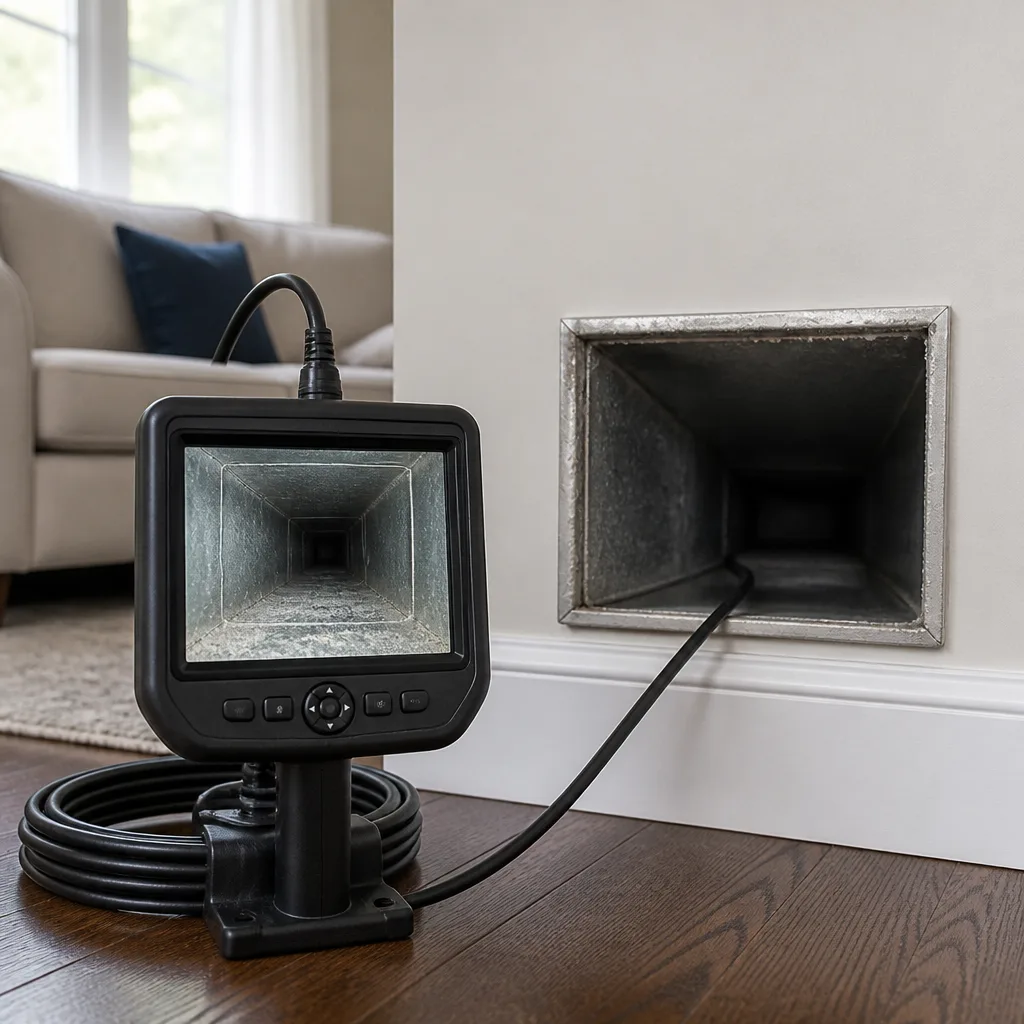 Camera inspection
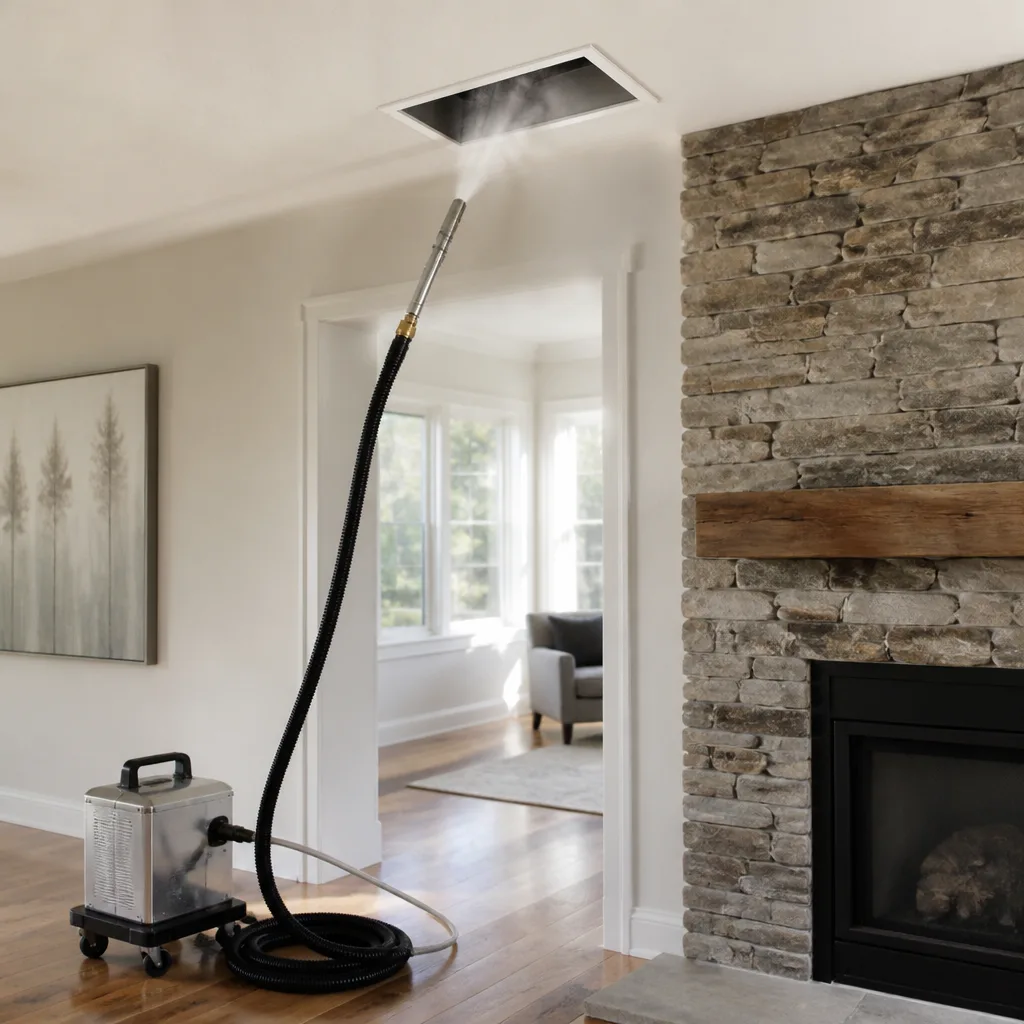 Sanitizing & deodorizing
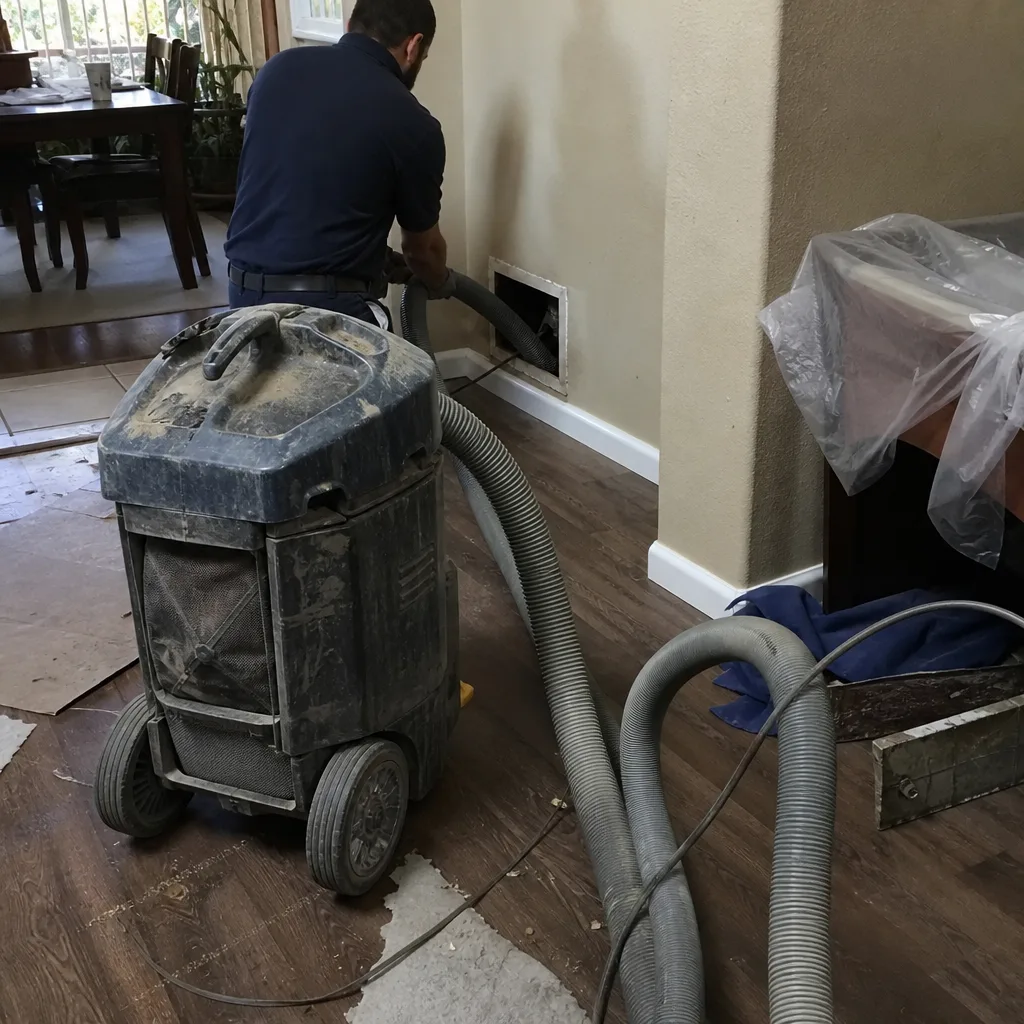
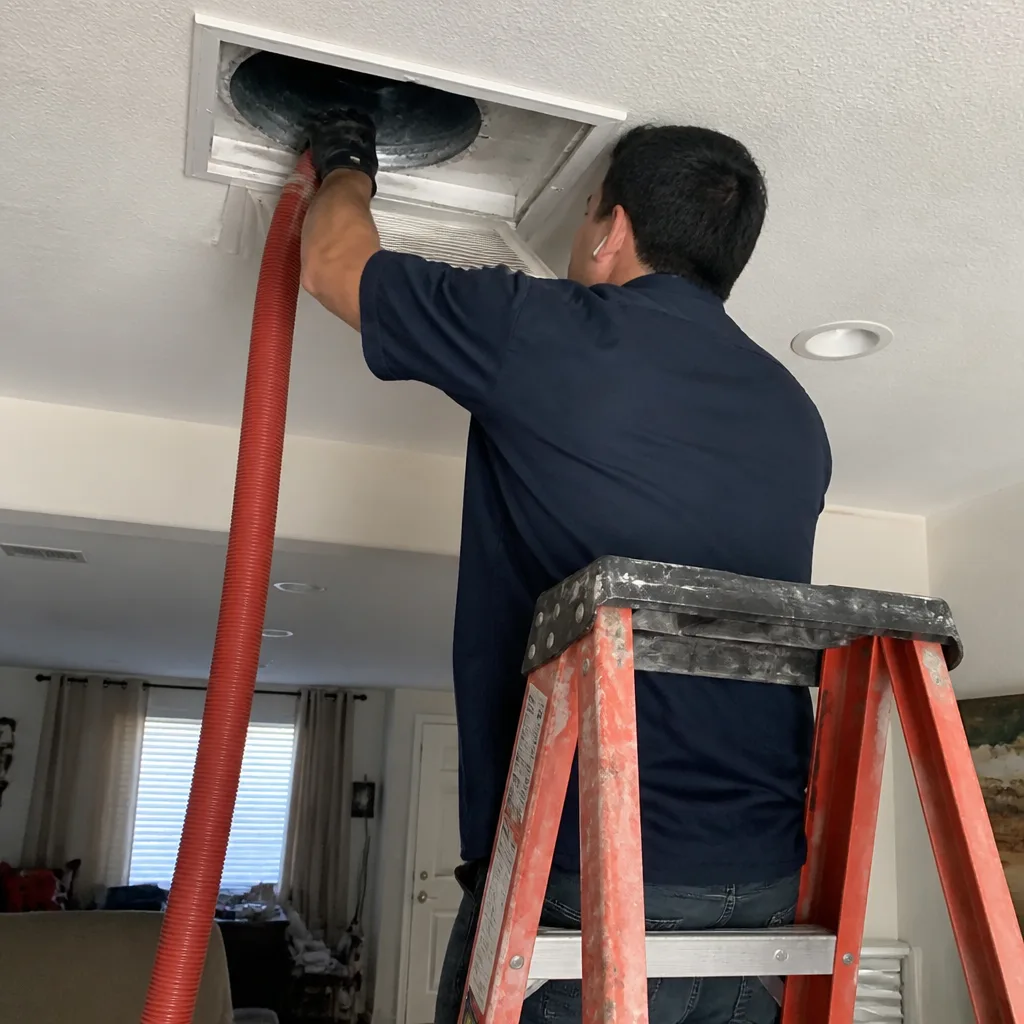
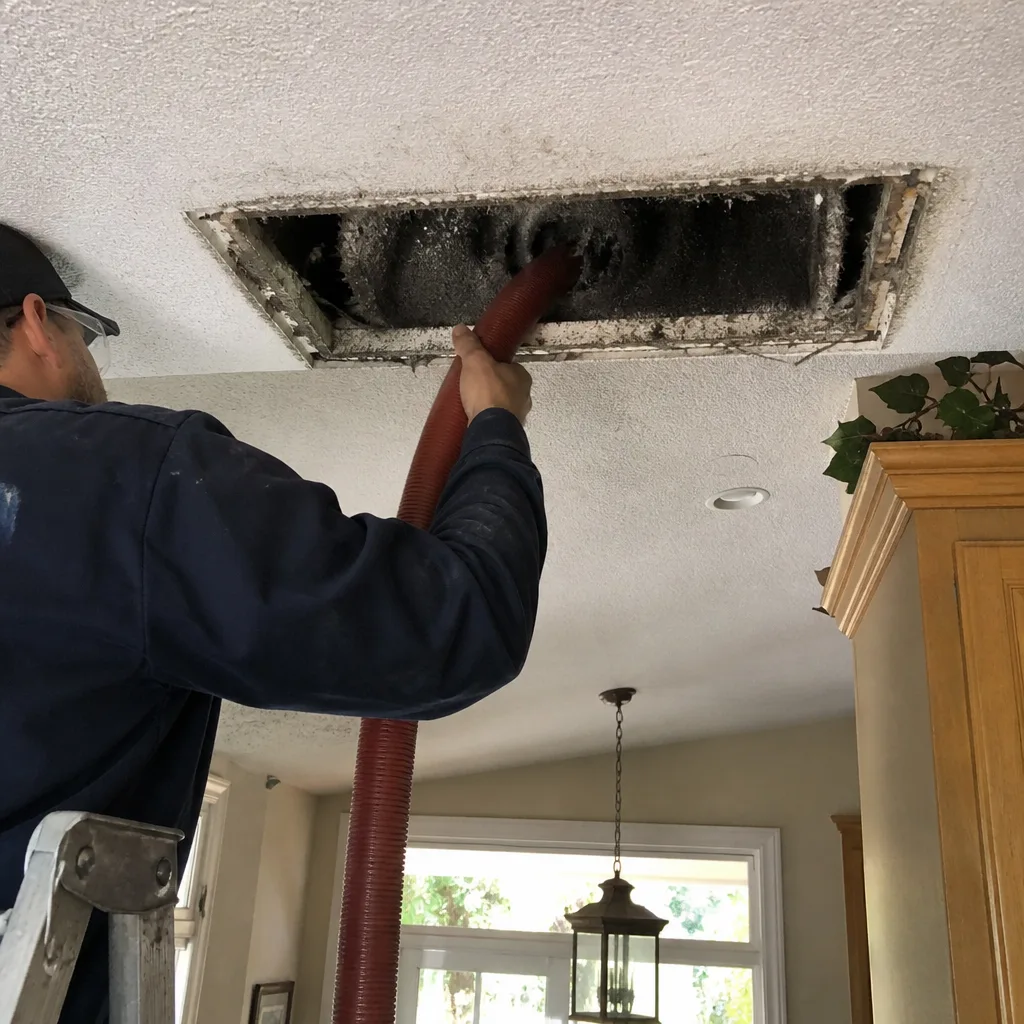
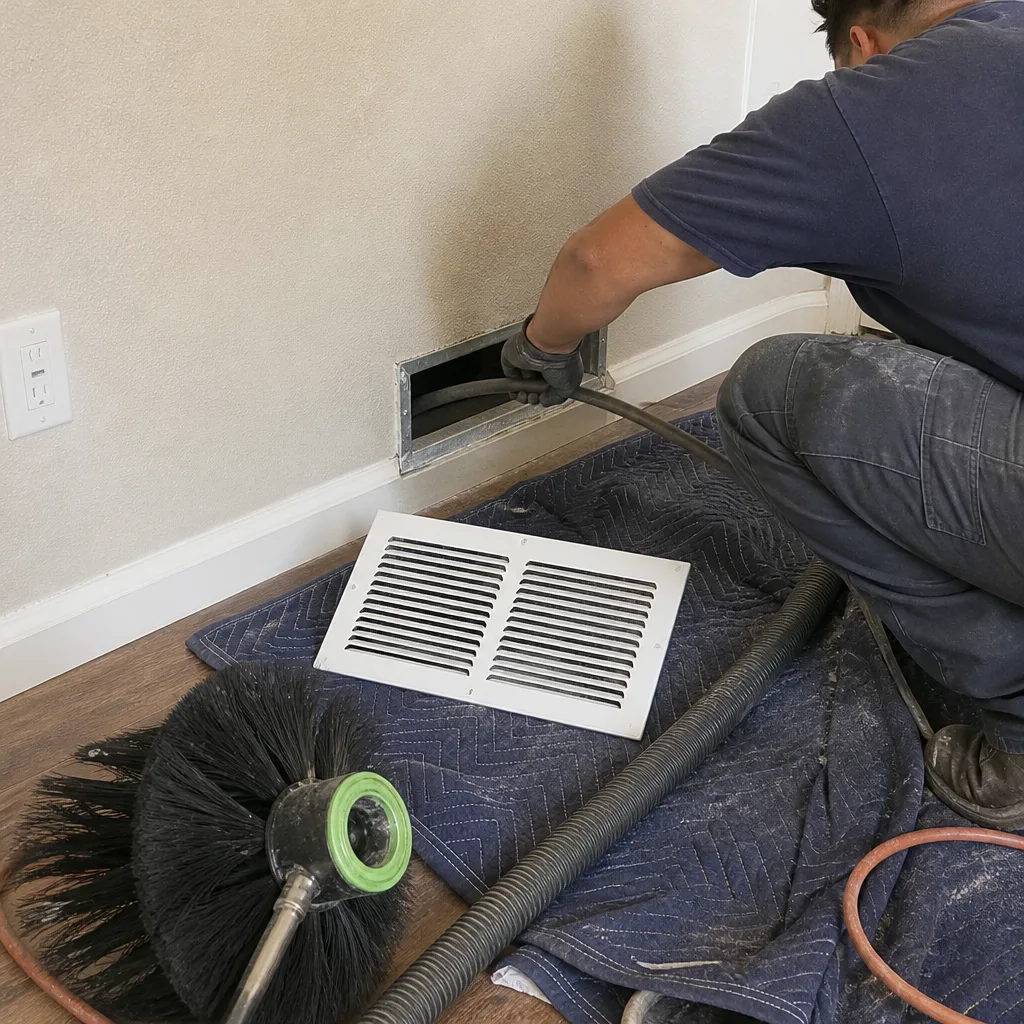
Whole-system duct and dryer vent check with before-and-after photos - you see exactly what came out of your vents
That "$99 whole-house special" is a bait ad - the real number appears once they are in your hallway, or the "clean" is a shop-vac at the register. We photograph the inside of your ducts before and after instead.
Choosing the Right Air Duct Cleaning Brand: A Buyer’s Guide for Chula Vista
The most recognized air duct cleaning “brands” in the home services space are franchise networks, which means the quality you get depends entirely on the individual operator, not the logo on the truck. A national name with a portable vacuum and two days of training will underperform a local Chula Vista specialist with truck-mount equipment and a decade of hands-on work every single time. This guide – and our Complete Air Duct Cleaning Guide for Chula Vista Homeowners – reframes the brand selection question around what actually predicts a quality outcome: equipment class, process methodology, and the honesty of the company behind the estimate.
Styles & brands we work with
- Whole-home duct cleaning
- Dryer vent cleaning
- Camera inspection
- Sanitizing & deodorizing
Quick Answer
The best air duct cleaning “brand” isn’t a franchise name you’ll see on TV. It’s a local specialist who runs contractor-grade equipment like Rotobrush rotary-brush systems with HEPA-filtered exhaust, handles the full air pathway (ducts, dryer vents, and repair), and quotes one flat price per system before work begins. In Chula Vista, that combination predicts a dramatically better result than any nationally marketed name, which is why we built our Air Duct Cleaning services around it.
Table of Contents
- Why Duct Cleaning Doesn’t Have a Brand Problem Like HVAC Does
- Franchise vs. Local: What Chula Vista Homeowners Need to Know
- The Equipment Indicators That Actually Predict Quality
- Which Certifications Matter and Which Are Marketing Window Dressing
- Specialist vs. General HVAC Company: Why Focus Wins in This Trade
- The Questions That Expose Quality Before You Book
- Common Mistakes to Avoid
- When to Call a Professional
- Frequently Asked Questions
- The Bottom Line
Why Duct Cleaning Doesn’t Have a Brand Problem Like HVAC Does
When you buy a furnace, you can compare Trane against Carrier against Lennox. Those brands exist because manufacturing equipment is a product with specs, warranties, and engineering behind it. Duct cleaning is different. It’s a service performed by a person with a machine. There is no Trane equivalent in duct cleaning because nobody manufactures a “duct clean” that gets installed in your home. The outcome is entirely dependent on the equipment the technician brings and the care they put into the work.
This creates a real problem for Chula Vista homeowners. Brand recognition, the shortcut we use to make dozens of purchasing decisions, doesn’t work here. The most famous duct cleaning names in the country are franchise operations where each location is independently owned and operated. The franchise provides marketing, a logo, and a basic methodology. The actual quality depends on the local franchisee’s equipment investment, training commitment, and honesty. Two trucks with the same national logo parked on opposite sides of Chula Vista can produce wildly different results. This is why smart homeowners in our area stop asking “what brand do you use?” and start asking “what equipment do you bring and how do you price it?” Those questions expose the difference in minutes.
At Cornerstone Duct Cleaning home, we’ve built our reputation on contractor-grade equipment and a process that treats ductwork as an air delivery system, not a one-time vacuum job. The brand that matters is the one attached to the equipment doing the work.
Franchise vs. Local: How to Evaluate a Chula Vista Duct Cleaner
The franchise model works well for consistent products: burgers, haircuts, oil changes. It works less well for duct cleaning because the franchise can’t control how much the local owner spends on equipment or how thoroughly they train their technicians. Here’s what to look at when comparing a national franchise operation against a local specialist serving Chula Vista homes.
Equipment Investment
Local specialists who own their equipment tend to invest in heavier, more capable machines because they’re not paying franchise royalty fees. A truck-mount vacuum system with HEPA filtration can cost $40,000 to $80,000 to outfit properly. Franchisees often start with portable equipment that fits in a van and costs a fraction of that. Portable units have their place, but they lack the suction power and filtration capacity of truck-mount systems. In Chula Vista’s housing stock, which includes everything from older Eastlake homes to newer Otay Ranch builds, duct runs can be long and restrictive. Suction power matters.
Training Depth
Ask any company, franchise or local, how long their technicians train before running a job solo. Some franchises certify a new technician in under a week. A local specialist who does nothing but duct cleaning all day, every day, develops judgment that no crash course can replicate: how to read an older HVAC system, when a duct needs repair rather than cleaning, and what that odd smell in the return actually indicates. This depth matters when the job doesn’t go perfectly, which happens regularly in Chula Vista’s mix of aging and new construction.
Pricing Transparency
Franchise operations sometimes use a bait-and-switch pricing model: a low starter price that expands significantly once the technician is in the attic. Local specialists who depend on word of mouth in a defined geography like Chula Vista can’t afford that reputation. We quote one flat price per system before work starts. That simple practice tells you more about a company’s integrity than any brand name on a truck.
The Equipment Indicators That Actually Predict Quality
Rather than comparing brand names, compare equipment classes. These are the three indicators that reliably separate a professional duct cleaning outcome from a disappointing one.
1. Truck-Mount Vacuum vs. Portable Canister
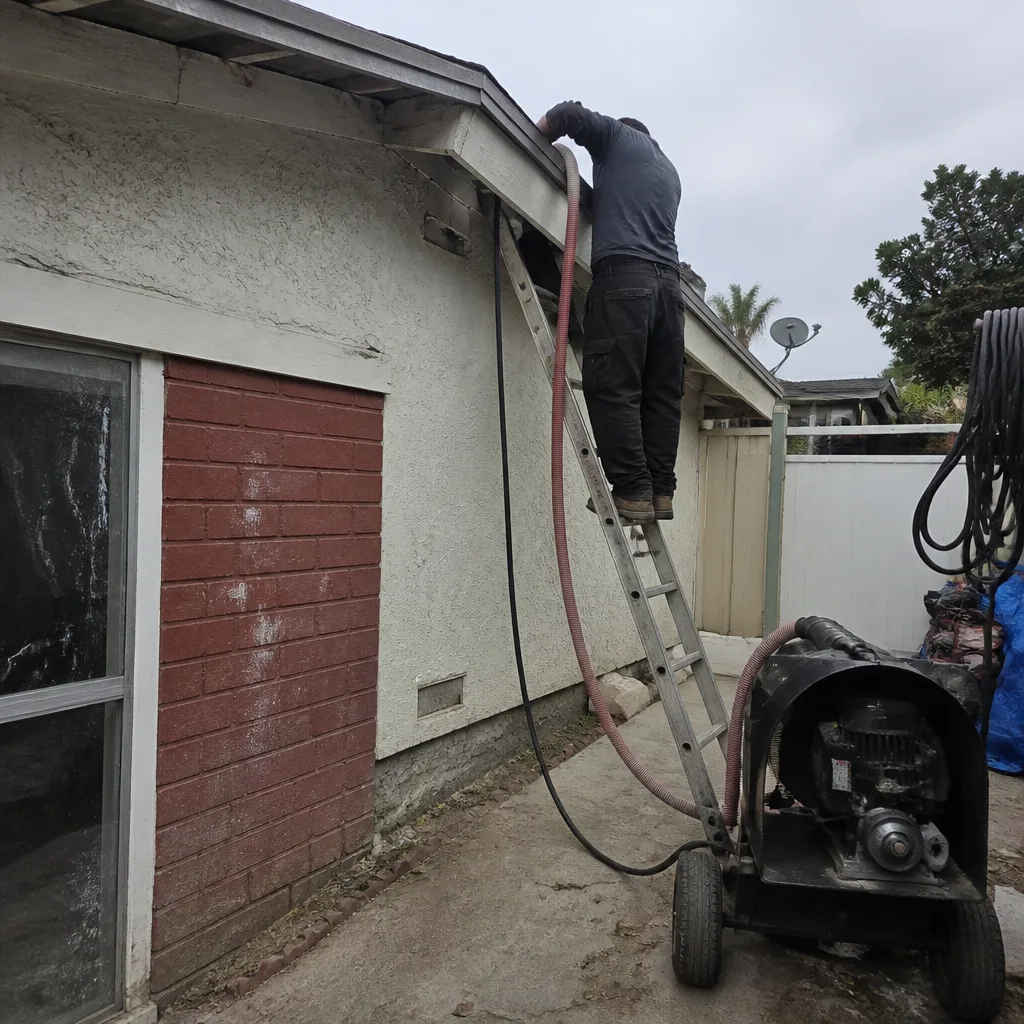
Truck-mount systems generate significantly more suction power than portable units. That power translates to pulling debris from longer duct runs, lifting embedded dust from the duct walls, and actually removing the material rather than loosening it. Portable equipment can clean a short run in a small condo. Chula Vista has plenty of compact condos near the bay, but it also has large two-story homes in Eastlake and Rolling Hills Ranch with duct runs exceeding 60 feet. For those, truck-mount suction makes a measurable difference. Ask any company whether they use truck-mount or portable equipment before you book.
2. HEPA-Filtered Exhaust vs. Basic Filtration
A vacuum that pulls air through your ducts needs to exhaust that air somewhere. If the exhaust isn’t HEPA-filtered, fine particulates get blown back into the room you’re sitting in. This defeats the purpose. Professional remediation and restoration work relies on HEPA filtration as the minimum standard for controlled contaminant removal. Equipment from Nikro and Abatement Technologies, the brands specified in professional air-quality and remediation applications, sets this standard. When a Chula Vista homeowner asks us what differentiates our work, we point to the filtration on our exhaust.
3. Contact Cleaning vs. Air-Whip Only
An air whip is a nozzle that blows compressed air inside ducts to loosen debris. It’s effective on loose dust, less effective on the film that builds on duct walls over years of operation. Contact cleaning tools physically agitate the duct surface. Rotobrush rotary-brush systems apply that mechanical agitation across the full interior surface of the duct, dislodging what passive methods leave behind. If a company relies solely on air-whips and suction, they’re doing half the job. In our experience cleaning ducts across Chula Vista, the difference between a suction-only pass and a rotary-brush pass is visible in the before-and-after photos.
Which Certifications Matter and Which Are Marketing Window Dressing
Duct cleaning has a certification landscape that confuses homeowners. Some credentials signal genuine competency. Others exist primarily as marketing designations that require no demonstrated skill. Here’s how to tell them apart.
NADCA Membership
The National Air Duct Cleaners Association sets the technical standard for the industry. NADCA publishes the industry’s accepted cleaning standards, specifies equipment requirements, and requires members to maintain certification through continuing education. A NADCA member has committed to a defined process. That doesn’t guarantee a perfect job, but it signals alignment with best practices rather than invented methods.
California C-20 License
Here’s a distinction that matters specifically for California and specifically for Chula Vista homes. A C-20 license is a warm-air heating, ventilating, and air-conditioning contractor license issued by the Contractors State License Board. It’s required for duct modification and repair work. A cleaning-only company might not need it. A company that offers air duct repair in Chula Vista does. If you’re considering a company that says they can repair damaged ducts alongside cleaning, verify they hold the license that authorizes that scope. We do. It matters when a disconnected duct or crushed run is discovered mid-job, which happens often in Chula Vista’s older neighborhoods.
Marketing Designations to Question
“Certified cleaning specialist,” “vent cleaning expert,” or any designation earned by paying a fee and attending a two-hour webinar is not a credential. It’s a certificate of participation. Ask what organization issued the certification and what it required. If the answer is vague, the credential is decoration. Legitimate affiliations require testing, continuing education, or demonstrated field experience. The rest are marketing.
Specialist vs. General HVAC Company: Why Focus Wins in This Trade
A legitimate question: why hire a duct cleaning specialist when the company that services your furnace also offers duct cleaning? General HVAC companies sometimes add duct cleaning as a revenue line. The problem is that cleaning is not their core trade. They’re installation and repair specialists who own some portable equipment. A dedicated duct cleaning company runs that equipment every day, maintains it properly, and develops process refinements through repetition.
Think of it like this: a general HVAC company might run two or three duct cleaning jobs per month. A specialist runs two or three per day. Over a year, the specialist sees hundreds of systems in every condition imaginable across Chula Vista, from 1970s ranch houses near Hilltop to new construction in Otay Ranch. That volume produces judgment: knowing when the debris pattern indicates a rodent problem, recognizing the film that suggests a past moisture event, spotting duct runs that were improperly installed decades ago. The general HVAC company’s technician is competent at many things. The specialist is expert at one thing. When the goal is a clean air delivery system, expertise wins.
There’s also the scope question. A company that handles air duct cleaning in Chula Vista, dryer vent cleaning in Chula Vista, and duct repair addresses the complete air pathway in a single relationship. You don’t coordinate three companies, and the technician evaluates the entire system, not just the component they were hired to clean. That complete-system view catches problems a single-service visit misses.
The Questions That Expose Quality Before You Book
You don’t need to become a duct cleaning expert to hire one. You need to ask the right questions and listen carefully to the answers. Here are the questions that separate a professional operation from a discount shop in under five minutes.
1. “What equipment do you run, and is it truck-mount or portable?”
A confident company answers immediately. We run Rotobrush rotary-brush systems paired with truck-mount suction and HEPA filtration from brands like Nikro and Abatement Technologies. A vague answer signals portable equipment or an equipment fleet they’d rather not describe.
2. “How do you price the job?”
This question exposes more than any other. A reputable company quotes one flat price per system before work starts. That price should be based on your home’s square footage, number of systems, and duct count, and it should not change once the technician arrives. If a company prices per vent, or if the price quoted on the phone is “just a starting point,” walk away. Per-vent pricing creates incentives to inflate vent counts or add fees. Flat pricing creates an incentive to do the job right. In Chula Vista, we see this distinction regularly. Homeowners who’ve had bad experiences almost always describe per-vent pricing and a final invoice that was double the original quote.
3. “Do you take before-and-after photos of the ducts?”
The only way to verify the work was actually done is to see the ducts before and after. A company that documents the work with photos of their own work, not stock images, is accountable to the result. Ask to see photos from a recent job in Chula Vista. The answer tells you a lot.
4. “What happens if you find damage during cleaning?”
Duct runs get damaged: crushed by attic storage, disconnected at joints, punctured during past construction. A cleaning-only company cleans around the damage and sends the homeowner looking for a separate repair contractor. A company with repair capability fixes the issue on the same visit. We repair what others clean around. That single difference changes the outcome of the job.
5. “Do you service the full air pathway?”
Ask if they clean dryer vents and handle duct repair alongside duct cleaning. A company that only does one service has a limited view of your home’s air system. One that handles all three evaluates the entire pathway. The answer also signals whether you’ll need to coordinate multiple contractors for a complete result.
Common Mistakes to Avoid
- Hiring based on coupon price. A low teaser rate for a whole-home duct cleaning in Chula Vista is almost always a foot in the door. The final invoice rarely resembles the coupon. If the phone price sounds too good to be true for the square footage you described, it is.
- Accepting a quote without a home assessment. A proper quote requires information about your home: square footage, number of systems, number of returns, any known issues. A company that quotes sight-unseen without asking questions is guessing, and you’ll pay for that guess.
- Skipping equipment questions. The class of equipment determines the outcome more than any brand name. Not asking about truck-mount vs. portable, HEPA filtration, and contact agitation tools means you’re hiring blind.
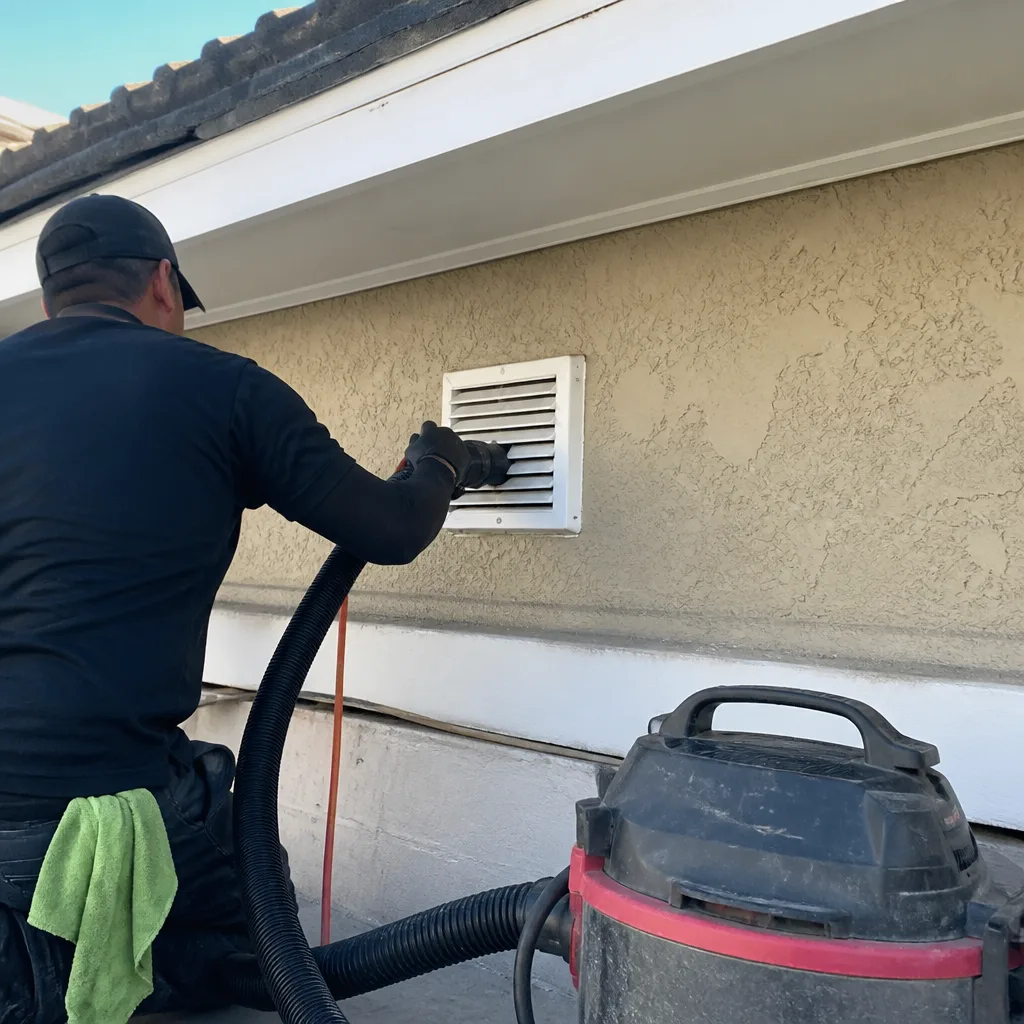
- Ignoring dryer vents. Dryer vent cleaning is the fire-safety component of the air pathway. Lint accumulation is a leading cause of residential dryer fires. When evaluating a duct cleaning company, ask if they also clear dryer vents so the entire exhaust path is addressed in one visit.
- Confusing HVAC service visits with duct cleaning. A furnace tune-up is not duct cleaning. A technician who glances into the return during a maintenance visit has not cleaned the ductwork. If your ducts haven’t had a dedicated cleaning service, they’re overdue.
- Assuming the franchise name guarantees quality. As covered above, franchise duct cleaning depends entirely on the local operator. The logo is marketing. The equipment and process are what actually clean your ducts.
- Hiring without verifying repair capability. Chula Vista homes range from 40-year-old builds to new construction, and duct damage is common in both. A company that can’t repair what it finds leaves you with a partially completed job and a new search for a separate contractor.
When to Call a Professional
Duct cleaning is not a DIY project. The equipment required to reach and clean the full duct run properly costs more than a decade of professional cleanings, and attempting to clean ducts with household tools can damage the runs or push debris further into the system. Call a professional when you notice visible dust accumulation around supply registers, when allergy symptoms worsen at home, when your dryer takes longer than 45 minutes to dry a load, when you haven’t had the ducts cleaned in five or more years, or when a renovation project has recently added drywall dust to the system. In Chula Vista, coastal humidity can also contribute to duct conditions worth inspecting. Cornerstone Duct Cleaning offers free estimates in Chula Vista, call (877) 824-2920 to schedule one.
Frequently Asked Questions
Expect to pay between $450 and $850 for a full-system air duct cleaning on a typical single-family home in Chula Vista, with larger two-system homes and homes with extensive duct runs at the higher end. The price depends on square footage, number of systems, accessibility of the ductwork, and contamination level. Any quote significantly below this range should trigger questions about equipment class and what’s actually included. Call (877) 824-2920 for an exact quote based on your home’s specifics.
The general recommendation is every 3 to 5 years, but Chula Vista homes with allergy sufferers, pets, recent renovations, or coastal humidity exposure may benefit from more frequent service. The truth is that the timeline varies by household: a home with two shedding dogs and a 2-year-old renovation will accumulate debris faster than a no-pets household in a new build. If you can’t remember the last time the ducts were cleaned, they’re due.
Cheaper quotes almost always come from companies running portable equipment, skipping HEPA filtration, or using a per-vent pricing model that inflates once the technician arrives. The hard costs of truck-mount equipment, HEPA filters, proper training, and insurance are real. A company offering a $99 whole-home special cannot possibly cover those costs, which means the low price is a lead generator, not a service price. Call (877) 824-2920 to get a straight flat-price answer for your Chula Vista home.
Request before-and-after photos of your own ducts. We photograph the interior of the ductwork during every cleaning and provide those images to you so you can see the result. Any company that won’t document the work should be avoided. You’re paying for what’s removed from inside the ducts, not for a phone call and a truck visit. If the resulting work is clean but the company won’t show you proof, that tells you something about how they operate.
Dryer vent cleaning is a separate service from air duct cleaning, but it’s an essential part of the full air pathway. A clogged dryer vent is both a fire hazard and an efficiency problem. We recommend scheduling both services together when your home is due for duct cleaning. The complete exhaust path, from the dryer to the exterior vent, gets cleared of lint in the same visit.
Duct cleaning removes debris from the interior of the ductwork. Duct repair addresses physical problems with the duct system: disconnected joints, crushed or punctured runs, gaps that leak conditioned air into the attic, and damaged registers. The two services are related because cleaning often reveals damage that wasn’t visible before. A company that handles air duct repair in Chula Vista alongside cleaning is in a position to fix what it finds rather than cleaning around it and walking away. We handle both.
The Bottom Line
Choosing the right air duct cleaning company in Chula Vista comes down to ignoring brand names and focusing on equipment class, process, and pricing honesty. For more guides & resources on protecting your home’s air quality, see our blog. Contractor-grade equipment with HEPA filtration, contact cleaning tools, flat per-system pricing, before-and-after documentation, and repair capability separate professional operators from discount services. The name on the truck matters far less than what’s inside it. Cornerstone Duct Cleaning brings Rotobrush rotary-brush equipment, Nikro and Abatement Technologies filtration, and a full air-pathway service scope to every Chula Vista home we work in. That’s the standard worth paying for, and it’s the one we’d want for our own homes.
Written by the team at Cornerstone Duct Cleaning, serving Chula Vista since 2013.
See the difference
 Before
 After
 Before
 After
 Before
 After