
Last updated November 2, 2026
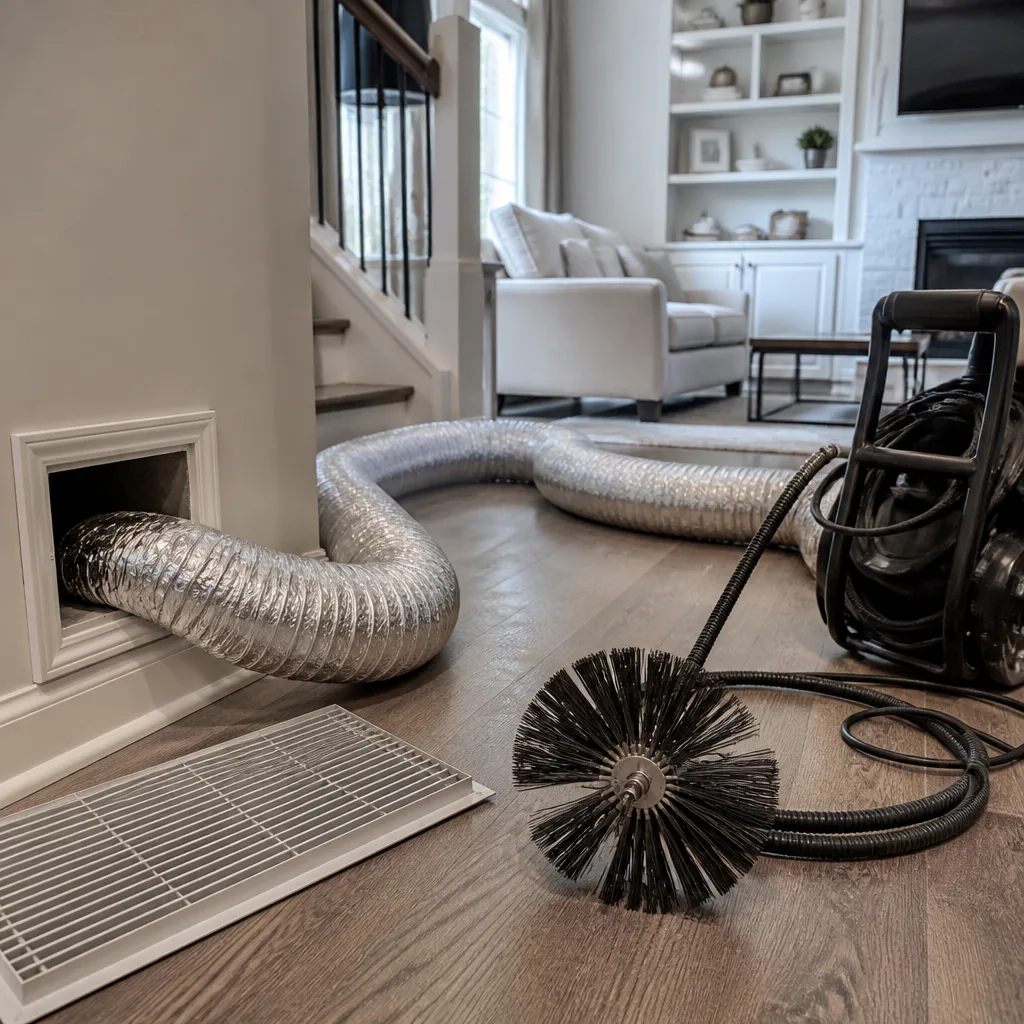 Whole-home duct cleaning
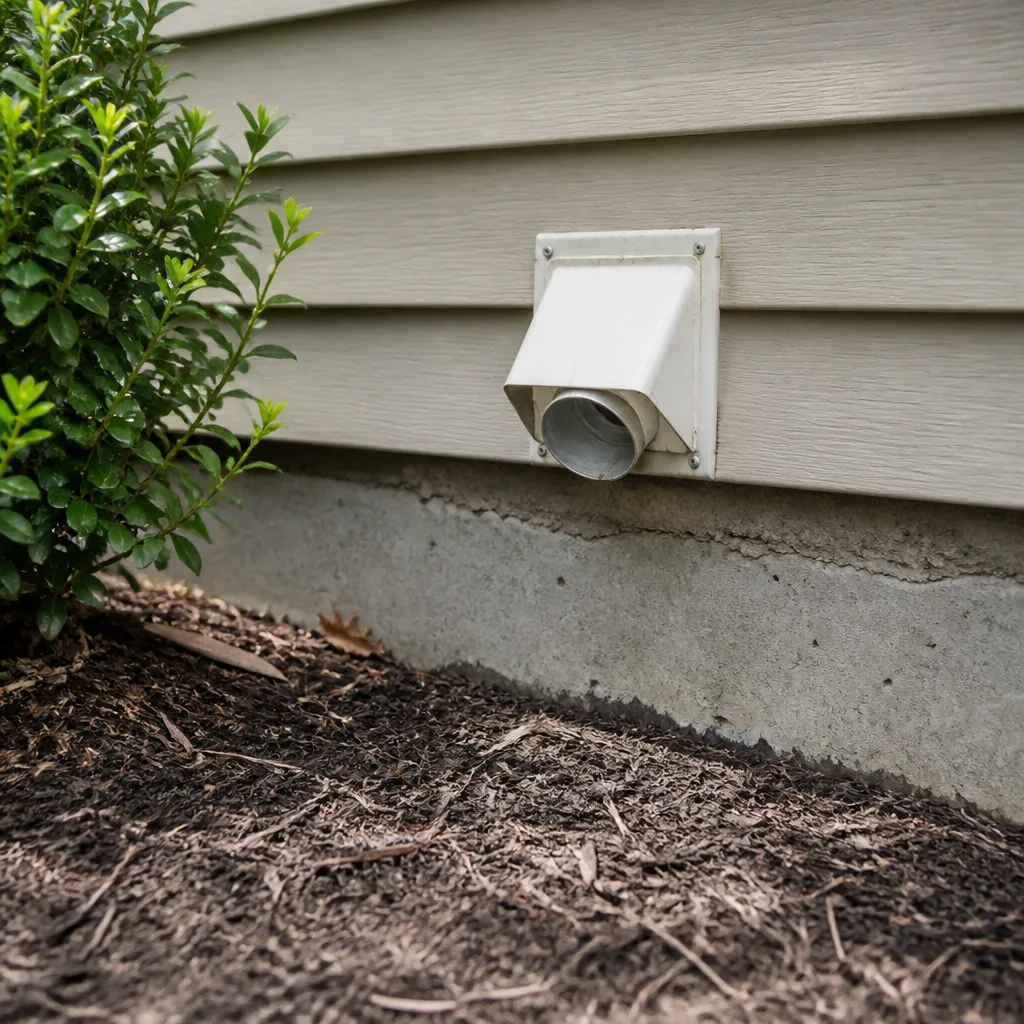 Dryer vent cleaning
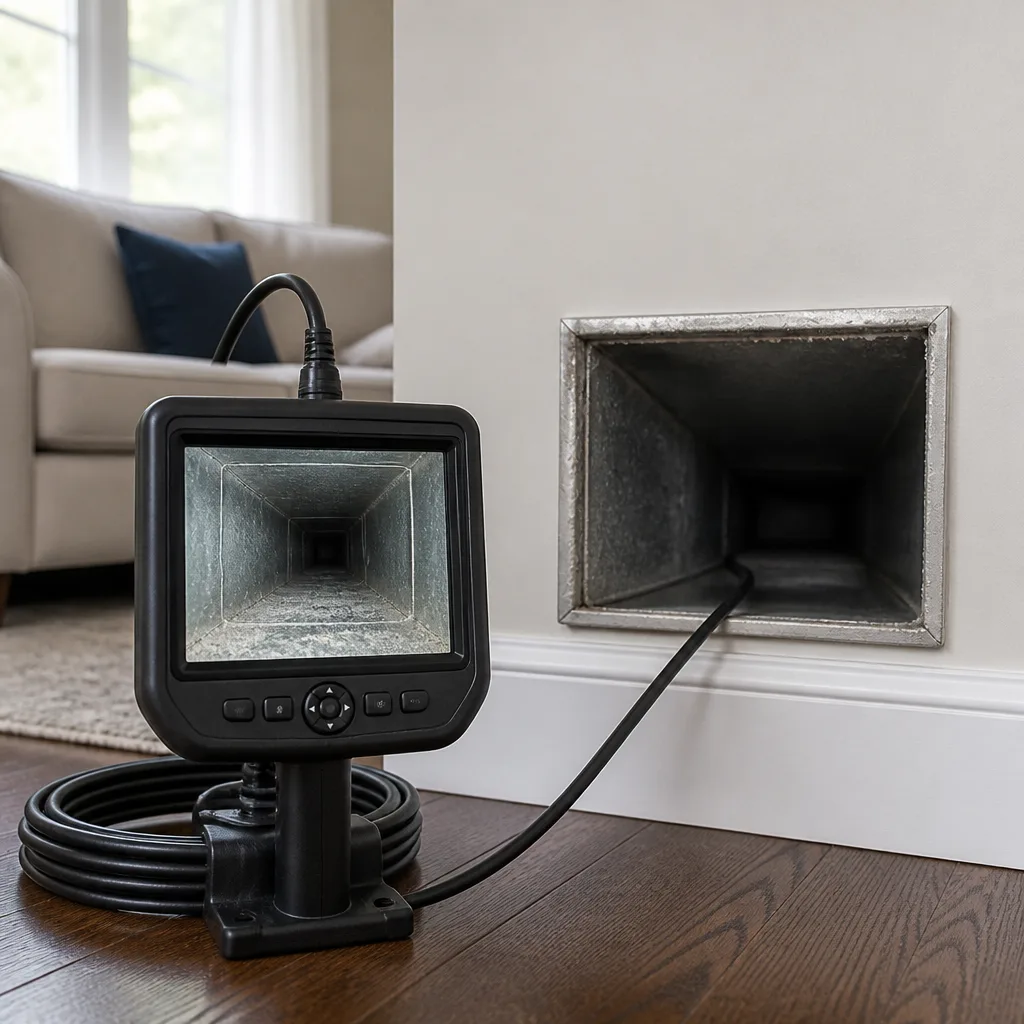 Camera inspection
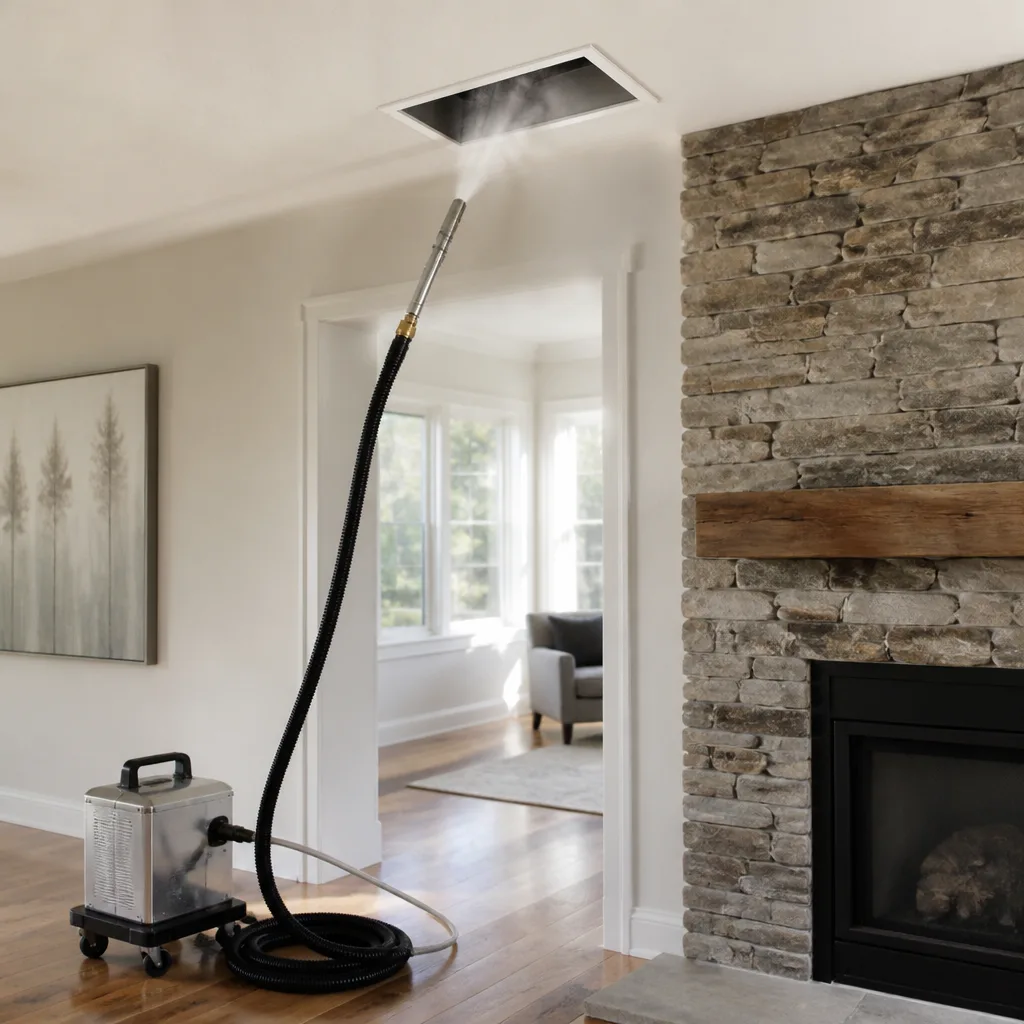 Sanitizing & deodorizing
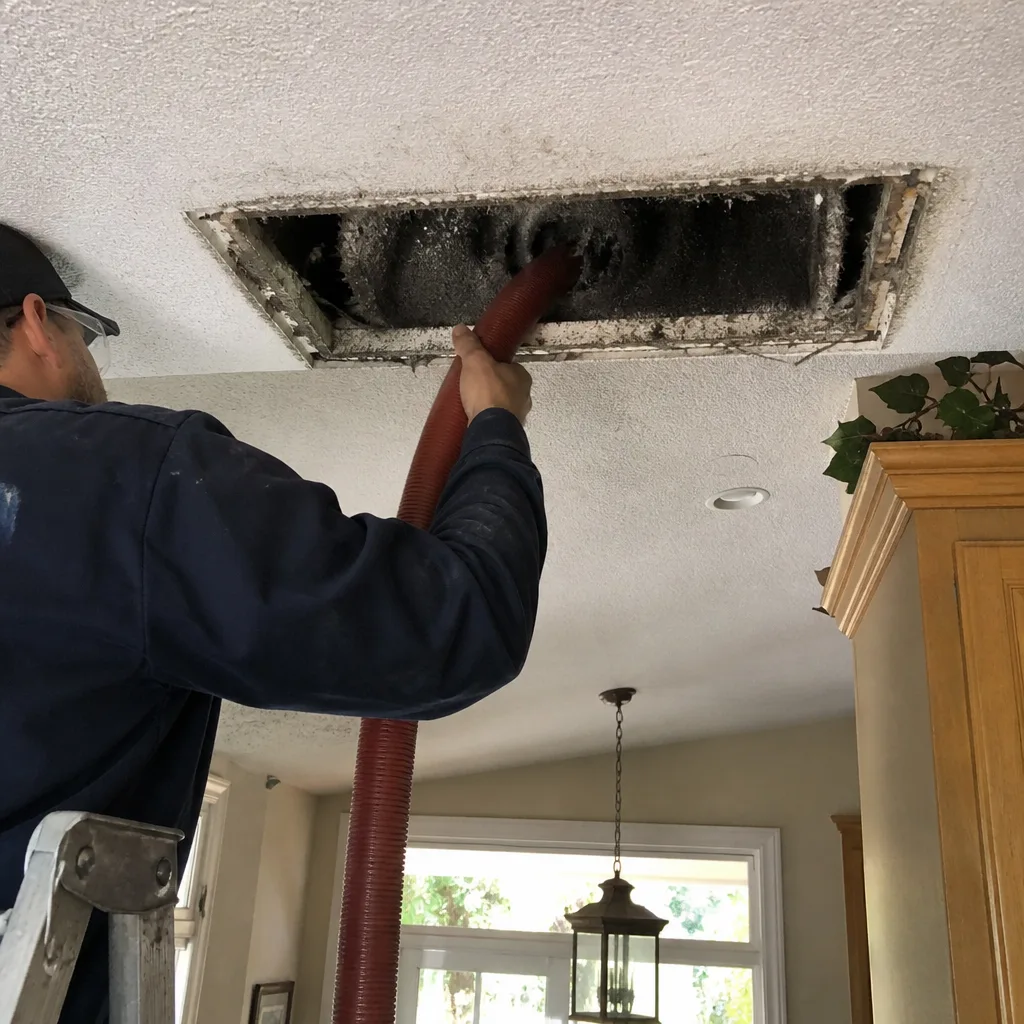
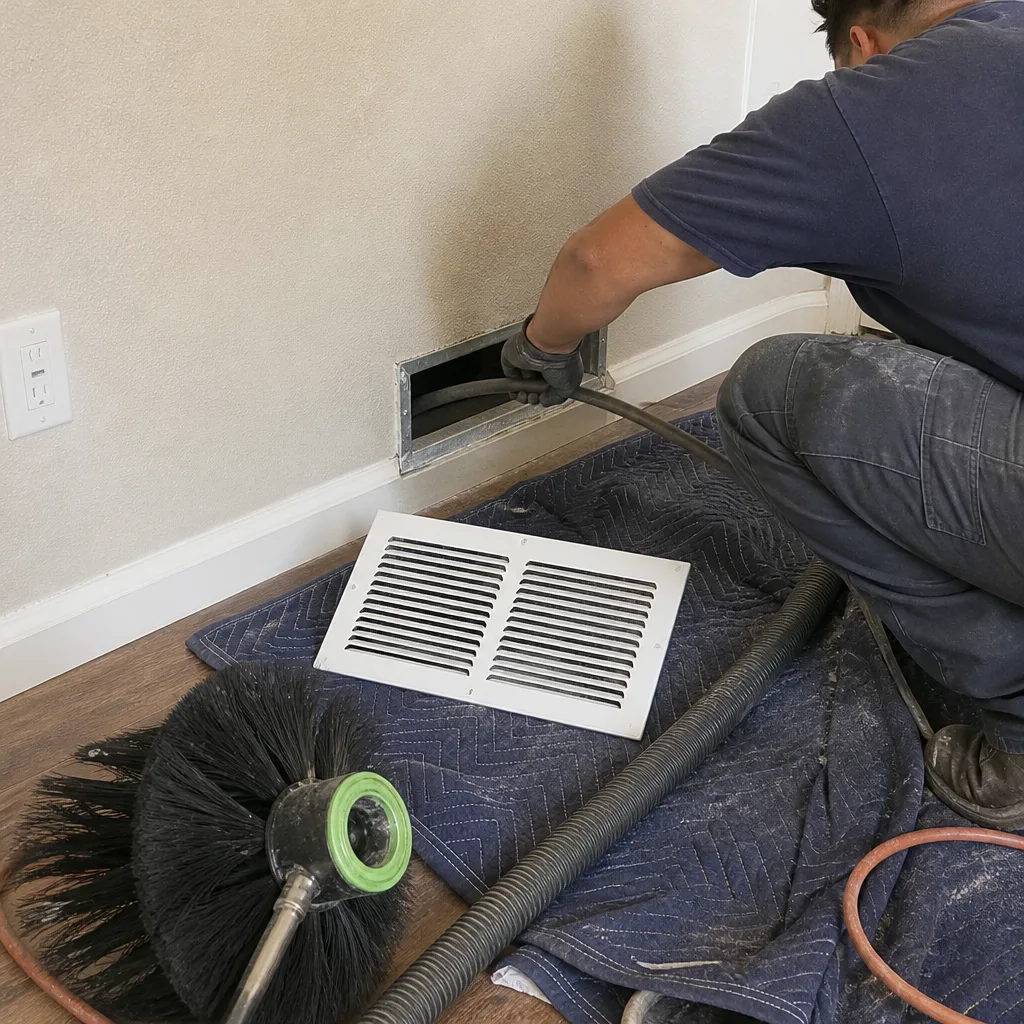
Whole-system duct and dryer vent check with before-and-after photos - you see exactly what came out of your vents
That "$99 whole-house special" is a bait ad - the real number appears once they are in your hallway, or the "clean" is a shop-vac at the register. We photograph the inside of your ducts before and after instead.
The Complete Air Duct Cleaning Guide for Chula Vista Homeowners
Here’s something that surprises most homeowners: the air ducts in a 1970s Chula Vista tract home have almost nothing in common with the ductwork in a newer Otay Ranch build. Different materials, different layouts, different failure points. Most duct cleaning guides ignore this entirely and describe a generic national process that doesn’t account for what actually happens inside ductwork exposed to Chula Vista’s marine layer for decades. This guide walks through the real process step by step, so you can evaluate any contractor’s work against what actually matters here, not what a franchise checklist says.
Quick Answer
Air duct cleaning in Chula Vista typically costs between $450 and $900 for a full system, depending on home size, number of returns, and the condition of the ductwork. A proper job follows the NADCA ACR standard and uses rotary-brush agitation with HEPA-filtered negative air, not just suction. In Chula Vista’s coastal climate, the process should also include an assessment of flex duct condition and attic airflow, because humidity-related degradation is more common here than in inland San Diego.
Styles & brands we work with
- Whole-home duct cleaning
- Dryer vent cleaning
- Camera inspection
- Sanitizing & deodorizing
Table of Contents
- What Duct Cleaning Actually Does (And Doesn’t Do)
- Why Chula Vista Homes Need a Different Approach
- Equipment Comparison: What the Tools Tell You About the Company
- The Sequenced Process: Step by Step
- Room-by-Room Verification Checklist
- When Cleaning Isn’t Enough: Duct Repair and Sealing
- Cost Breakdown for Chula Vista Homes
- Common Mistakes to Avoid
- When to Call a Professional
- Frequently Asked Questions
What Duct Cleaning Actually Does (And Doesn’t Do)
Let’s start with an honest definition. Air duct cleaning removes accumulated debris from the interior surfaces of your forced-air system: the supply ducts, return ducts, registers, grilles, the air handler cabinet, the blower motor, and the evaporator coil if accessible. Done correctly, it eliminates the dust, pet dander, construction debris, and biological growth that builds up over years of operation.
What it doesn’t do is turn a poorly designed HVAC system into a good one. If your ducts are undersized, leaking, or improperly balanced, cleaning won’t fix airflow problems. That’s a separate issue, and a company that tells you otherwise is either uninformed or dishonest. This distinction matters because in Chula Vista’s older housing stock, cleaning and repair often go together. We’ll get to that later in this guide.
The primary benefit is straightforward: you’re removing the material that recirculates through your home every time the system runs. For households with allergy sufferers, young children, or elderly residents, this matters more than the average homeowner assumes. The second benefit is system longevity. A blower motor caked in dust runs hotter than a clean one. An evaporator coil layered with grime transfers heat less efficiently. These are mechanical realities, not marketing claims.
According to the NADCA ACR standard, the industry’s formal benchmark, a proper cleaning requires source removal. That means the debris is extracted from the duct system entirely, not knocked loose and left to settle elsewhere. We’ll explain how that works mechanically in the process section below.
Why Chula Vista Homes Need a Different Approach
Chula Vista sits in a unique climate band. The marine layer rolls in most evenings from roughly late May through early September, keeping nighttime humidity high. Daytime temperatures can swing 20 to 25 degrees between morning fog and afternoon sun. That moisture cycle does two things to ductwork over time: it accelerates dust adhesion to duct walls, and it creates conditions where biological growth takes hold faster than it would in, say, El Cajon or Santee.
Here’s what we’ve observed in homes across the 91910, 91911, and 91913 ZIP codes. Flex duct, the insulated plastic-and-wire tubing used in most Chula Vista tract homes built between 1960 and 1990, doesn’t respond well to sustained humidity. The inner liner degrades. Tiny tears develop. Condensation forms in attic spaces where ventilation is inadequate. And once moisture gets inside a flex duct, dust stops blowing past it and starts sticking to it.
Inland San Diego homes contend with windblown dust. Chula Vista homes contend with dust plus moisture. That’s a different problem. A cleaning that only vacuums loose debris won’t address material adhered to duct walls, which is why agitation matters so much in this market specifically.
There’s also a practical consideration: many older Chula Vista homes have ducts routed through attics that bake at 130 degrees in August afternoons and then cool rapidly when the marine layer arrives. That thermal cycling causes expansion and contraction in duct connections. Joints loosen. Gaps appear. A duct cleaning on one of these homes that doesn’t include a basic inspection of connection integrity is leaving a significant issue unaddressed. This is exactly why our Air Duct Cleaning in Chula Vista service includes a full ductwork assessment before and after the cleaning.
Equipment Comparison: What the Tools Tell You About the Company
The equipment a company brings to your home tells you more about their capability than any marketing language. Here’s a practical breakdown of what you’ll see in the Chula Vista market and what it means.
Negative-Pressure Truck-Mount Systems
These systems connect a large vacuum unit mounted in a truck or van directly to your duct system. The blower creates substantial negative pressure, typically 10,000 CFM or more, pulling air through the ducts at high velocity. The advantage is raw extraction power. The limitation is that suction alone often isn’t enough. Debris that’s adhered to duct walls, which is common in humid Chula Vista conditions, stays put unless something mechanically dislodges it while the vacuum runs.
Portable Systems with Rotary Agitation
Portable units pair a HEPA-filtered vacuum with a rotary brush that’s pushed through the ductwork. This combination matters, because the brush mechanically agitates stuck debris while the vacuum captures it. The Rotobrush system, which Cornerstone uses on every job, works on this principle. The brush reaches the duct walls. The vacuum, equipped with HEPA filtration, captures what the brush dislodges. For residential flex duct, which is the dominant material in Chula Vista homes, this agitation is essential. Without it, you’re vacuuming the middle of the pipe and ignoring the walls where the debris actually sits.
HEPA Filtration Standards
Filtration separates professional equipment from consumer-grade rentals. Nikro and Abatement Technologies, both brands Cornerstone runs on its jobs, build HEPA-level filtration into their units. HEPA filters remove 99.97% of particles at 0.3 microns. That’s the standard for mold remediation and controlled contaminant removal work. It’s not what you get from a shop vac with a long hose, which is what some discount operations effectively use.
Here’s the practical takeaway: the right equipment for a Chula Vista home is a system that combines mechanical agitation with HEPA-filtered negative air. Truck-mount suction alone leaves debris behind. Portable suction without agitation leaves debris behind. The combination gets the ducts actually clean.
The Sequenced Process: Step by Step
A proper air duct cleaning follows a specific sequence. Skipping steps or doing them out of order produces an incomplete result. Here’s the process Cornerstone follows on every Chula Vista duct cleaning job, and what you should expect from any contractor you hire.
- System assessment and pre-test. The technician inspects the air handler, visually checks accessible duct runs, identifies the number of returns and registers, and documents baseline conditions. This takes 15 to 30 minutes and should happen before any equipment enters the home. If a contractor starts setting up without this step, that’s a red flag.
- Seal off registers and grilles. Each register is covered, and the return is sealed to create a closed loop through the duct system. This ensures the negative pressure pulls only from inside the ducts, not from ambient room air.
- Connect the vacuum and establish negative pressure. Depending on the system, this means connecting a truck-mount at the return plenum or positioning a portable HEPA unit at the air handler. The vacuum runs continuously from this point forward.
- Mechanical agitation, run by run. This is where rotary brushing enters. Each duct run is accessed and brushed from the register end while the vacuum runs. The brush dislodges debris; the negative pressure carries it to the filtration unit. This happens for supply runs and return runs separately.
- Air handler and coil cleaning. The blower motor compartment, evaporator coil (if accessible), and condensate pan are cleaned. This is a step discount cleaners often skip entirely, and it’s one of the most consequential. A clean duct system attached to a dirty blower reintroduces contamination immediately.
- Register and grille cleaning. Each register is removed, cleaned, and reinstalled. In Chula Vista homes near the coast, register corrosion is common, and sometimes replacement is necessary. That’s a repair conversation, not a cleaning one.
- Post-cleaning verification and photo documentation. Before-and-after photos are taken of the main trunk, representative branch runs, and the air handler. You should receive these. If a company won’t show you the before and after, ask yourself why.
- Filter replacement or recommendation. The system should be left running with a clean filter. If you have Honeywell or Aprilaire filtration equipment, the technician should check its status and tell you if the media needs replacement. Cornerstone technicians work with both of these brands routinely.
The full sequence takes 3 to 5 hours for a typical Chula Vista home with 12 to 15 registers. A two-hour job for the same home means steps were skipped.
Room-by-Room Verification Checklist
You don’t need to be an HVAC technician to verify that a duct cleaning was done properly. Before the technician leaves, walk through this checklist. It’s designed for homeowners in Chula Vista who want hard verification, not verbal assurances.
- Remove one register in a bedroom and feel the inside of the duct. It should feel smooth, not gritty. Run a clean white cloth along the interior wall. It should come back with minimal residue, not a gray smear.
- Check the return grille in the hallway. This is usually the dirtiest opening in the house. Look inside with a flashlight. The interior surfaces should be visibly lighter in color than before.
- Ask to see the blower compartment. If the access panel was opened, the blower wheel blades should be clean. Dusty blades after a paid cleaning mean the technician skipped the air handler.
- Check the condensate pan. In coastal Chula Vista, condensate accumulates year round. The pan should be free of sludge. If it’s accessible, look for standing water and biological growth. Both are signs the pan needs attention beyond cleaning.
- Go to the attic access, if present. Look at the first few feet of ductwork visible from the opening. Connection points should be intact. Any visible gaps, tears in the flex duct outer layer, or crushed sections should be pointed out to you by the technician. That’s a repair issue.
- Count your registers. Confirm that every register that was cleaned is back in place and seated correctly. Sound obvious, but missing or poorly reseated registers happen.
- Request the before-and-after photos. A competent company documents its work automatically. If they can’t produce photos showing the difference, you have no evidence the work happened at all.
If anything on this list fails, raise it before the technician packs up. A company that stands behind its work will address concerns on the spot. This verification standard also applies to related services like Dryer Vent Cleaning in Chula Vista, which should follow a similarly documented process.
When Cleaning Isn’t Enough: Duct Repair and Sealing
Here’s the reality in Chula Vista’s older housing stock. Many homes built in the 1960s through 1980s still have original flex duct. That duct is now 40 to 60 years old. Flex duct has a practical lifespan of 15 to 25 years in humid coastal conditions. By the time most of these homes get their first professional cleaning, the ductwork itself is compromised.
Here are the signs that you need Air Duct Repair in Chula Vista alongside or instead of cleaning:
- Visible tears or punctures in the outer jacket. The silver or black outer layer protects the insulation. Once torn, the insulation degrades and the inner liner is exposed. In attics with rodents, which are common in eastern Chula Vista near open space, puncture damage is frequent.
- Collapsed or kinked flex runs. A flex duct that makes tight 90-degree bends restricts airflow dramatically. Rooms that never seem to heat or cool properly often have this problem. Cleaning won’t fix a collapsed duct.
- Disconnected joints. Thermal cycling in Chula Vista attics loosens duct connections over time. A duct that’s disconnected at a supply box is blowing conditioned air into the attic, not the room. Our technicians find at least one disconnected joint on a significant percentage of older home jobs.
- Visible mold or biological growth inside the duct liner. If the inner liner shows dark staining or visible growth, cleaning may not be sufficient. The liner itself needs replacement. This is more common in Chula Vista than inland because of the humidity factor.
Cornerstone’s scope includes duct repair for exactly this reason. We repair what others only clean around. A company that cleans a torn duct and doesn’t mention it has done you a disservice. The system will re-contaminate within months.
Cost Breakdown for Chula Vista Homes
Here’s honest pricing for the Chula Vista market. These are whole-system ranges, not per-vent teaser rates.
| Home Size | Typical Register Count | Duct Cleaning Range | With Coil Cleaning |
|---|---|---|---|
| Condo or townhome (800-1,200 sq ft) | 8-10 | $400-$550 | $500-$650 |
| Standard tract home (1,200-1,800 sq ft) | 10-14 | $450-$650 | $550-$800 |
| Larger home (1,800-2,500 sq ft) | 14-18 | $600-$800 | $750-$950 |
| Large home or dual-system (2,500+ sq ft) | 18-24 | $800-$1,100 | $950-$1,300 |
Several factors move you within these ranges. The number of systems (one furnace or two), the accessibility of duct runs, whether the previous homeowner had pets, and whether repairs are needed all affect final pricing. A home in eastern Chula Vista near Bonita that’s had construction work done will be dustier than a westside condo that’s been consistently maintained.
What you should avoid is the per-vent pricing model. Quotes of “$29 per vent” mask the real cost, because the company defines what counts as a vent and what generates add-on charges. Cornerstone prices each job as one flat cost per system, agreed to before work begins. That’s the model we believe builds trust, and it’s how we quote every air duct cleaning in Chula Vista.
Why do some quotes come in dramatically cheaper? Usually because the company runs suction only, skips the air handler, works without HEPA filtration, and doesn’t document anything. The job takes 90 minutes and produces a marginal result. You’re not saving money. You’re paying less for less work. In Chula Vista’s humidity, a suction-only cleaning often shows re-contamination within six months, which means you pay twice.
Common Mistakes to Avoid
- Hiring based on the lowest quote. The price gap between discount and professional cleaning in Chula Vista usually reflects equipment quality and process thoroughness. A $199 coupon special for a 1,500 sq ft home means steps are being skipped, full stop.
- Skipping the air handler. Many homeowners don’t know the blower and coil are part of the job. A duct cleaning that leaves the blower dirty reintroduces contamination on the first cycle. Ask specifically whether the air handler is included.
- Accepting a job without before-and-after photos. Ductwork is not visible. If a company can’t show you what they changed, they’re asking you to take it on faith. That’s an unreasonable ask for a job costing several hundred dollars.
- Ignoring flex duct condition. In Chula Vista homes with original 1970s and 1980s flex duct, cleaning addresses debris but not structural degradation. If your ductwork is original and you’ve never had it inspected, ask for a condition assessment.
- Using a duct cleaning as a mold solution without addressing moisture. If there’s biological growth in the ducts, that growth has a moisture source. Cleaning removes the growth but won’t prevent recurrence if the source stays. In coastal Chula Vista, the source is often attic condensation or a failed condensate drain, and that’s a separate fix.
- Assuming your HVAC filter handles duct cleanliness. Standard filters protect the equipment, not the ductwork. Fine dust passes through standard fiberglass filters and settles in the ducts regardless. An upgraded Honeywell or Aprilaire media system helps, but it slows accumulation rather than eliminating it.
- Waiting until you can see dust blowing from registers. By the time debris is visibly exiting a register, the accumulation is severe. Regular inspection, especially before a new baby arrives or when allergy symptoms worsen, beats waiting for obvious signs.
When to Call a Professional
Duct cleaning is not a DIY job and should not be approached like one. The reasons are practical: residential duct runs extend beyond arm’s reach, the equipment required for proper source removal costs more than the cleaning itself, and working in attic spaces in Chula Vista summer heat is genuinely hazardous. Beyond that, the interior of flex duct is fragile. An aggressive improvised cleaning can tear the liner, creating a more expensive repair than the cleaning would have cost in the first place.
Call a professional when you notice visible dust accumulation around registers, when allergy symptoms worsen at home, when your home has had recent renovation work, when a rodent infestation has occurred in the attic, or when it has been more than five years since the last cleaning and you have pets. Homeowners preparing a property for new occupants, whether a rental turnover or a new purchase, should also consider a professional cleaning as part of that transition.
Cornerstone Duct Cleaning offers free estimates in Chula Vista. Call (877) 824-2920 to schedule an assessment.
Frequently Asked Questions
Full-system air duct cleaning in Chula Vista typically costs $450 to $900, depending on home size, register count, and duct condition. Condos and smaller townhomes fall at the lower end; larger homes with two systems or significant accumulation fall at the higher end. Call (877) 824-2920 for a specific quote on your home.
Cheaper quotes usually reflect suction-only cleaning without rotary agitation, no air handler cleaning, no HEPA filtration, and no photo documentation. In Chula Vista’s humid climate, these shortcuts produce incomplete results and faster re-contamination, meaning you pay again sooner.
Request before-and-after photos of the main trunk, representative branch runs, and air handler. Remove a register after the job and inspect the duct wall with a flashlight and a white cloth. A properly cleaned duct should feel smooth and show minimal residue.
Every 3 to 5 years for most Chula Vista homes. Homes with pets, allergy-sensitive residents, recent construction, or coastal microclimates with persistent humidity may benefit from shorter intervals. A professional can assess your specific accumulation rate during an inspection.
Yes, for many households. Removing accumulated dust, pet dander, and biological growth reduces the particulate load recirculating through your home. Results are strongest when combined with upgraded filtration, such as Honeywell or Aprilaire media systems, which Cornerstone technicians work with regularly.
Often they need both. Homes built between 1960 and 1990 may have original flex duct that has degraded in the coastal humidity. Torn jackets, collapsed runs, and disconnected joints are common. Cleaning a compromised system produces temporary results. A proper assessment will identify whether repair precedes or accompanies cleaning.
The Bottom Line
Air duct cleaning in Chula Vista is not a commodity service. The coastal humidity, the prevalence of aging flex duct, and the specific debris patterns of San Diego County housing stock mean that a generic cleaning approach won’t deliver lasting results. A proper job follows a defined sequence, uses rotary agitation with HEPA-filtered negative air, includes the air handler, and produces photo documentation you can verify. When the ductwork itself is compromised, cleaning alone isn’t enough, and a company that only cleans around damage has left the real problem unaddressed. For a professional assessment of your system, call Cornerstone Duct Cleaning at (877) 824-2920.
Written by the team at Cornerstone Duct Cleaning, serving Chula Vista since 2013.
See the difference
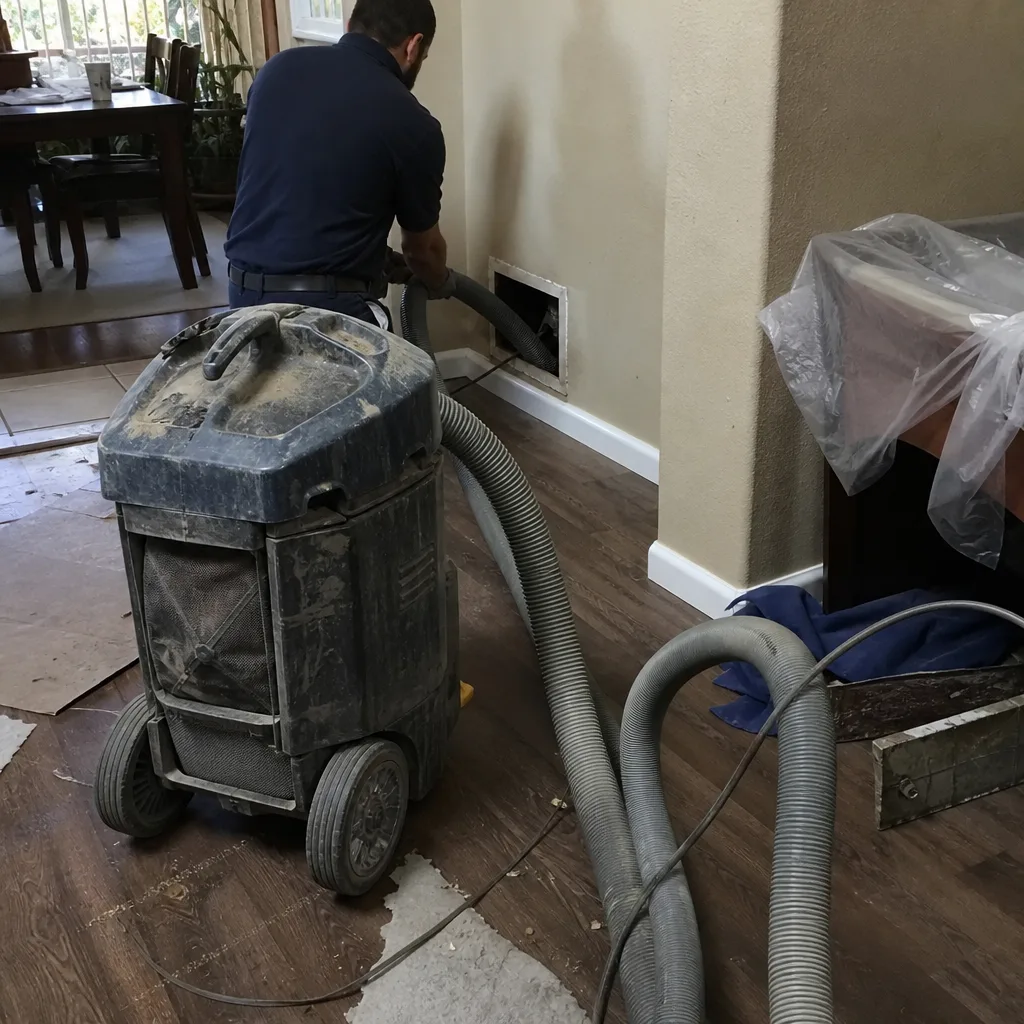 Before
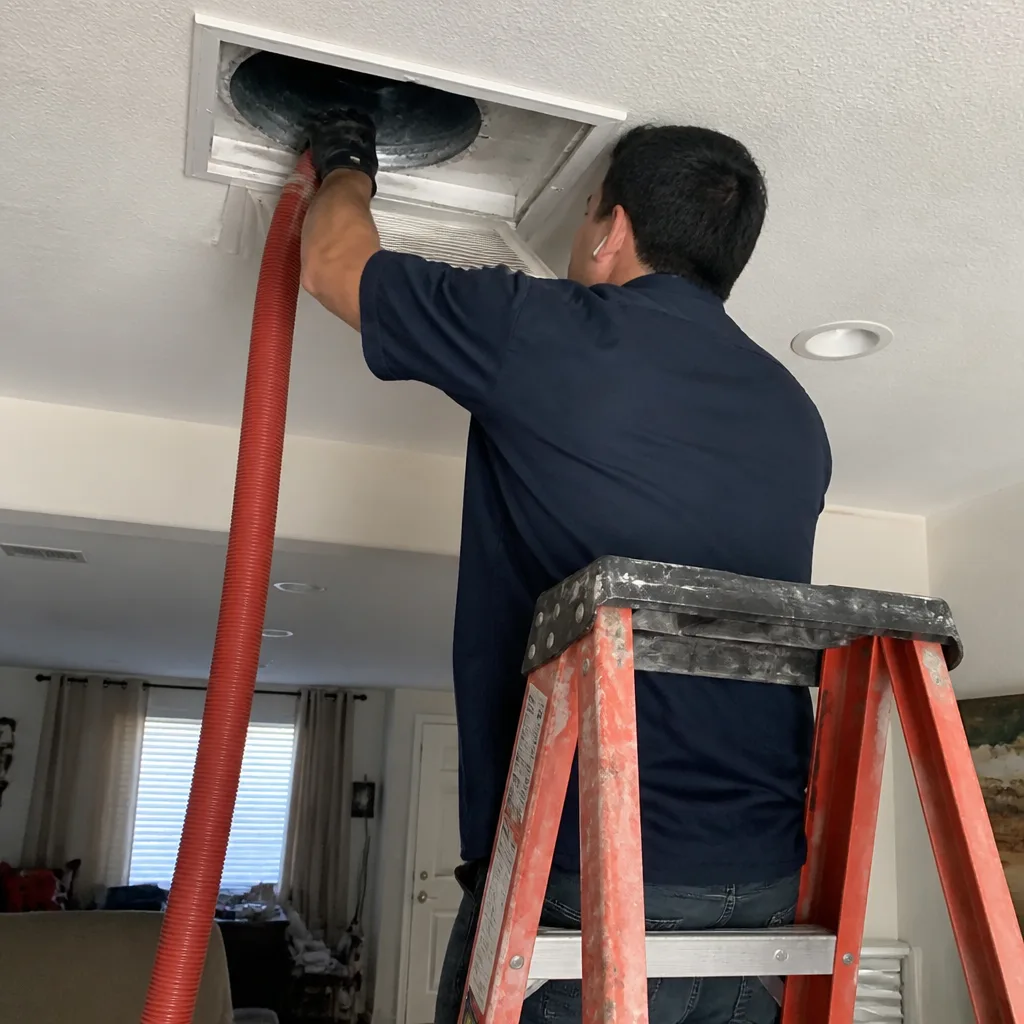 After
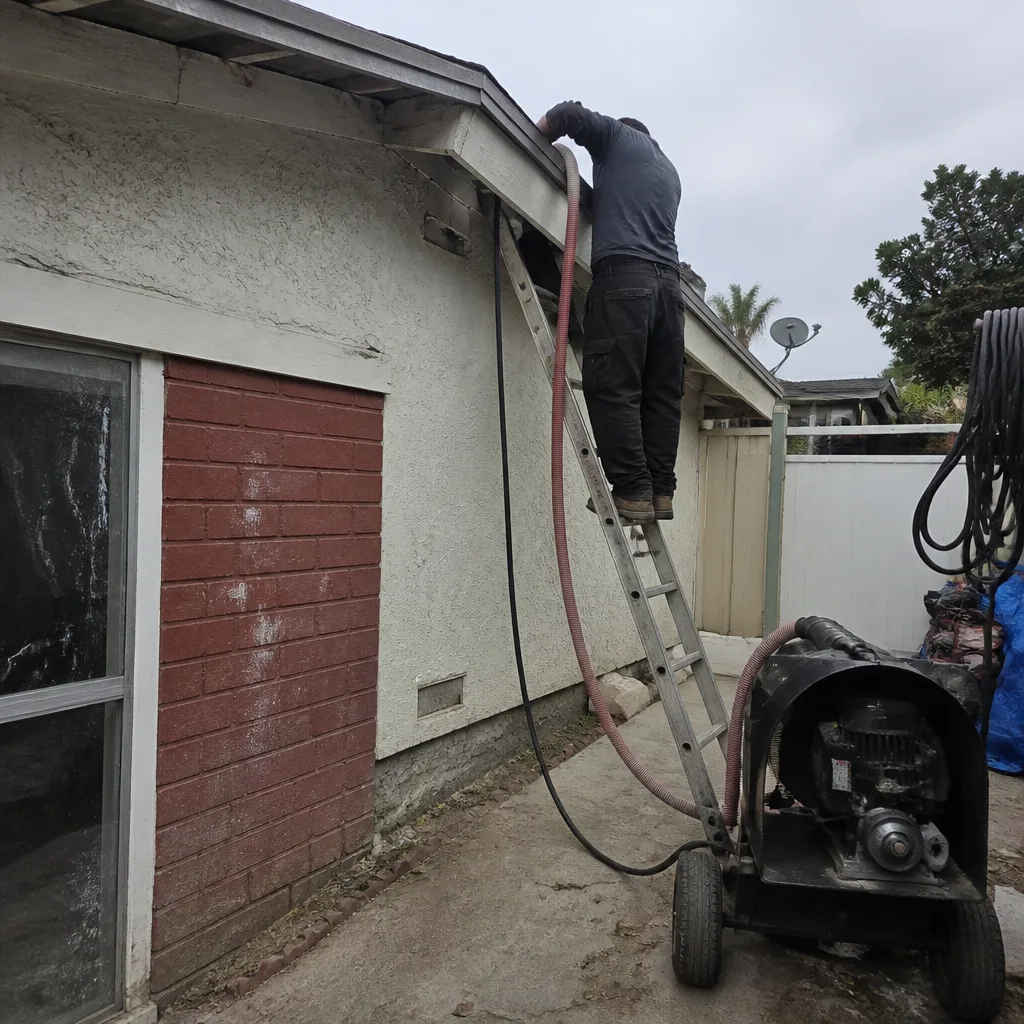 Before
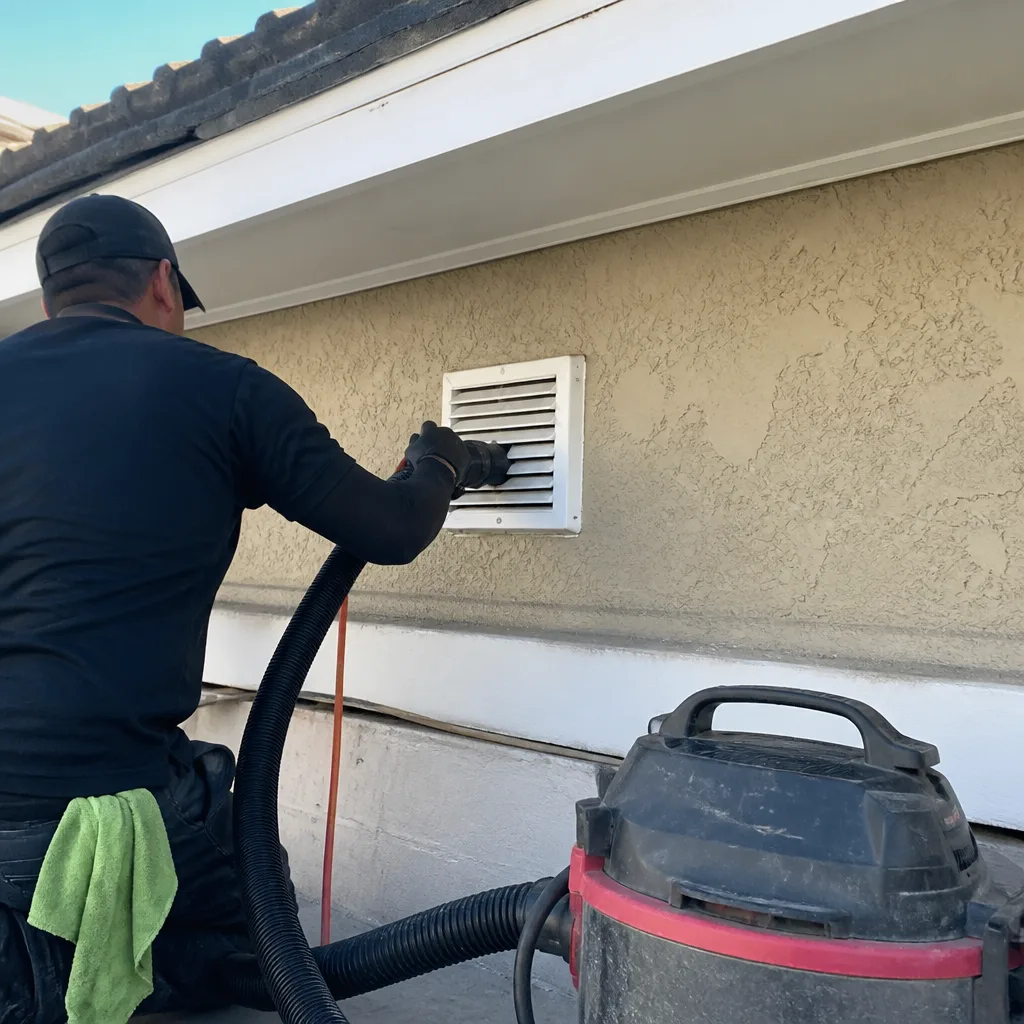 After
 Before
 After