
Last updated November 2, 2026
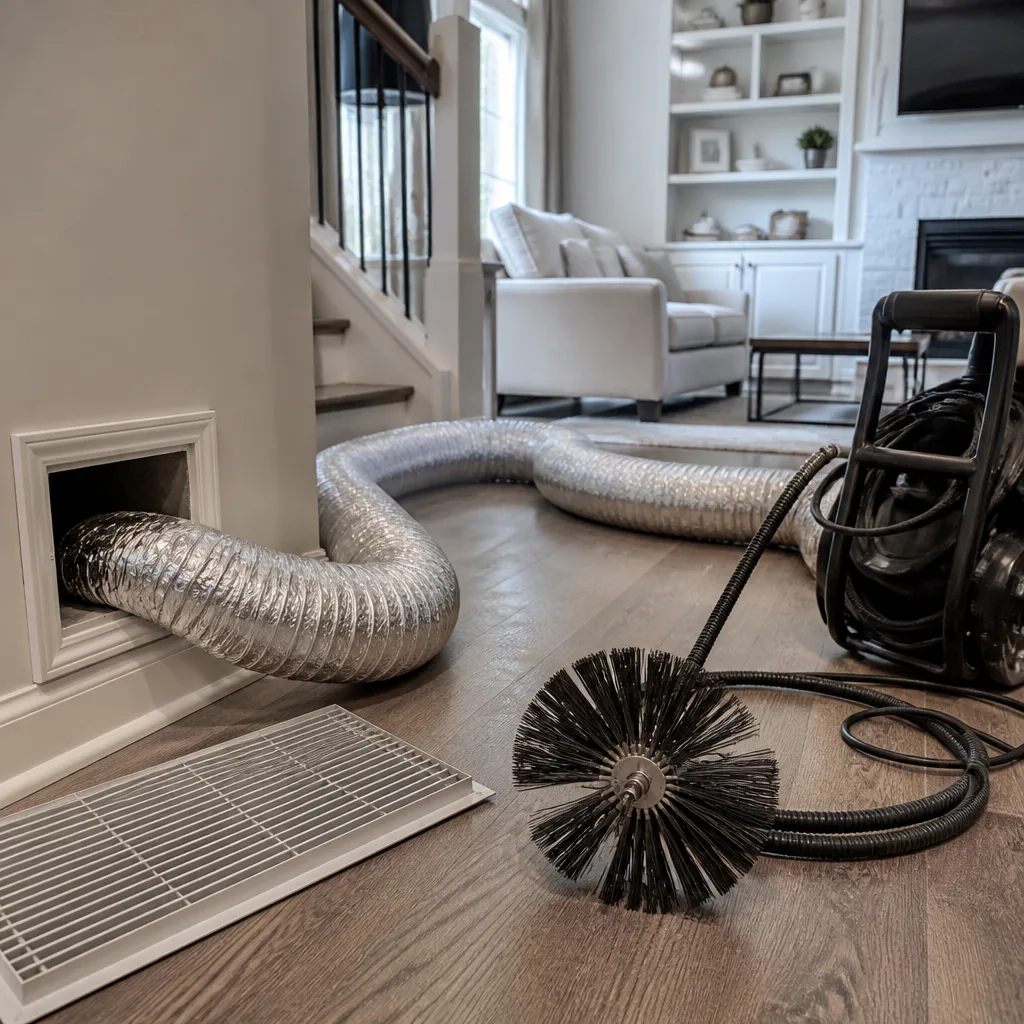 Whole-home duct cleaning
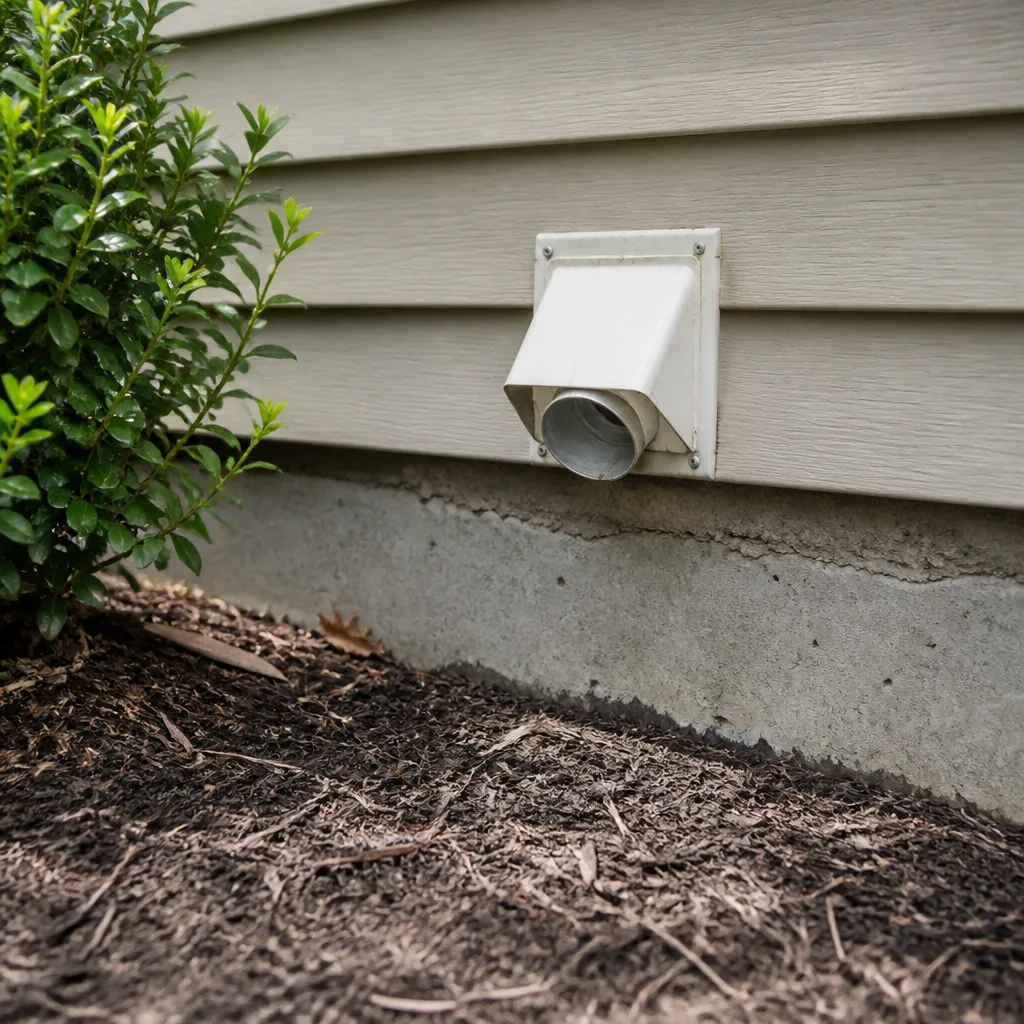 Dryer vent cleaning
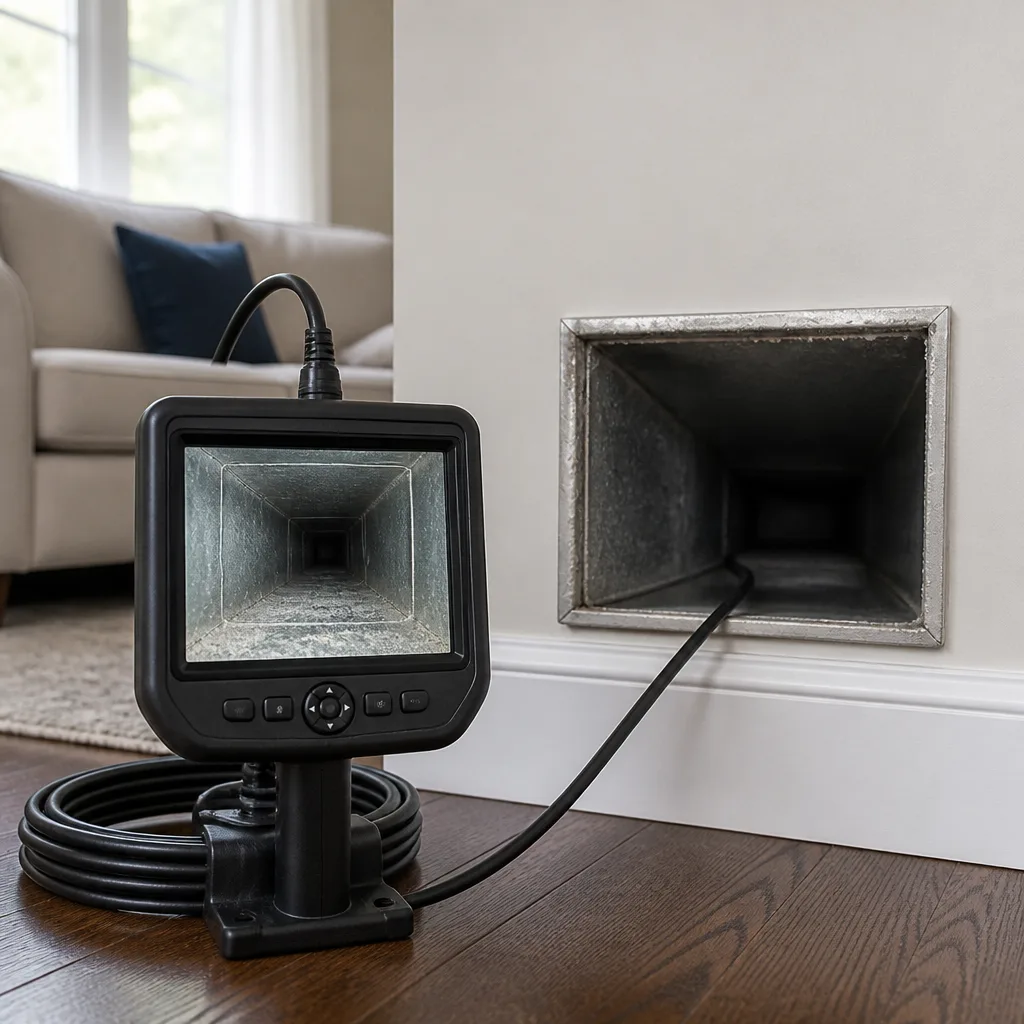 Camera inspection
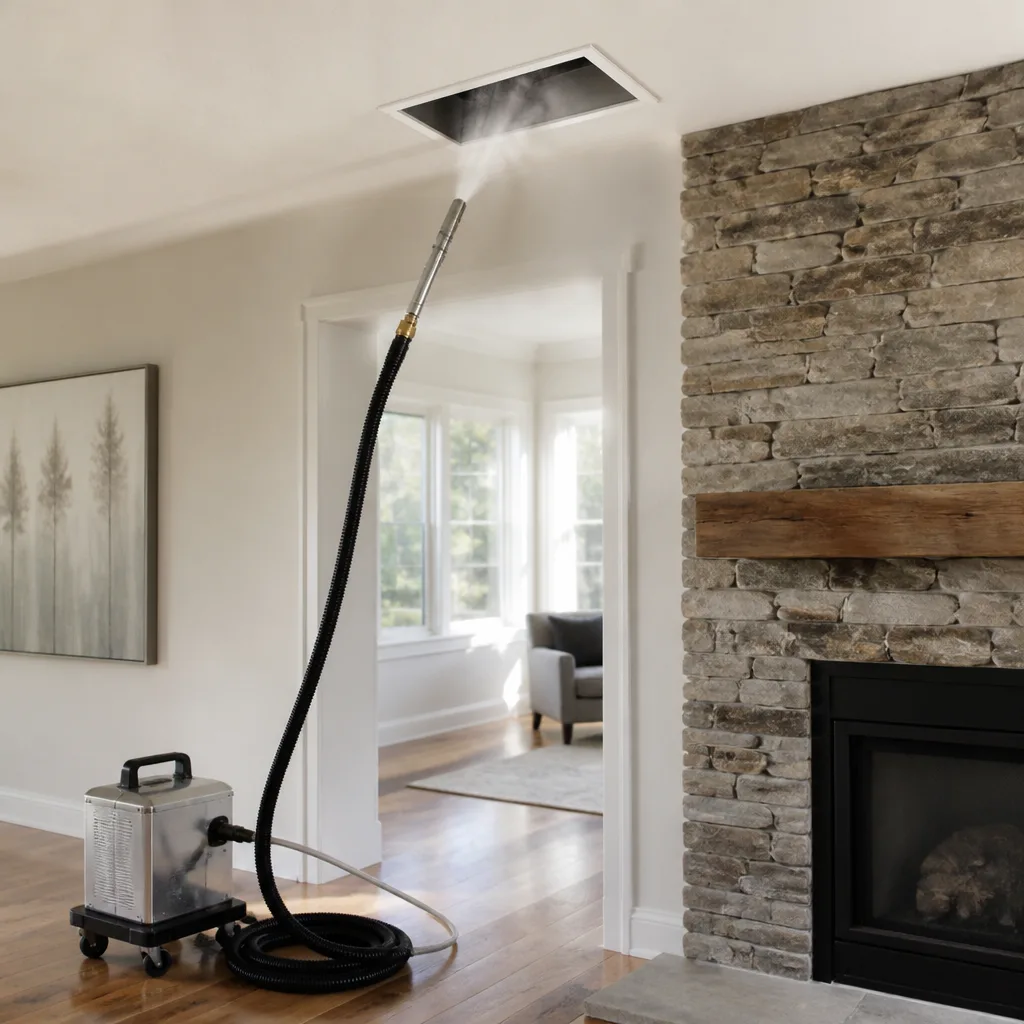 Sanitizing & deodorizing
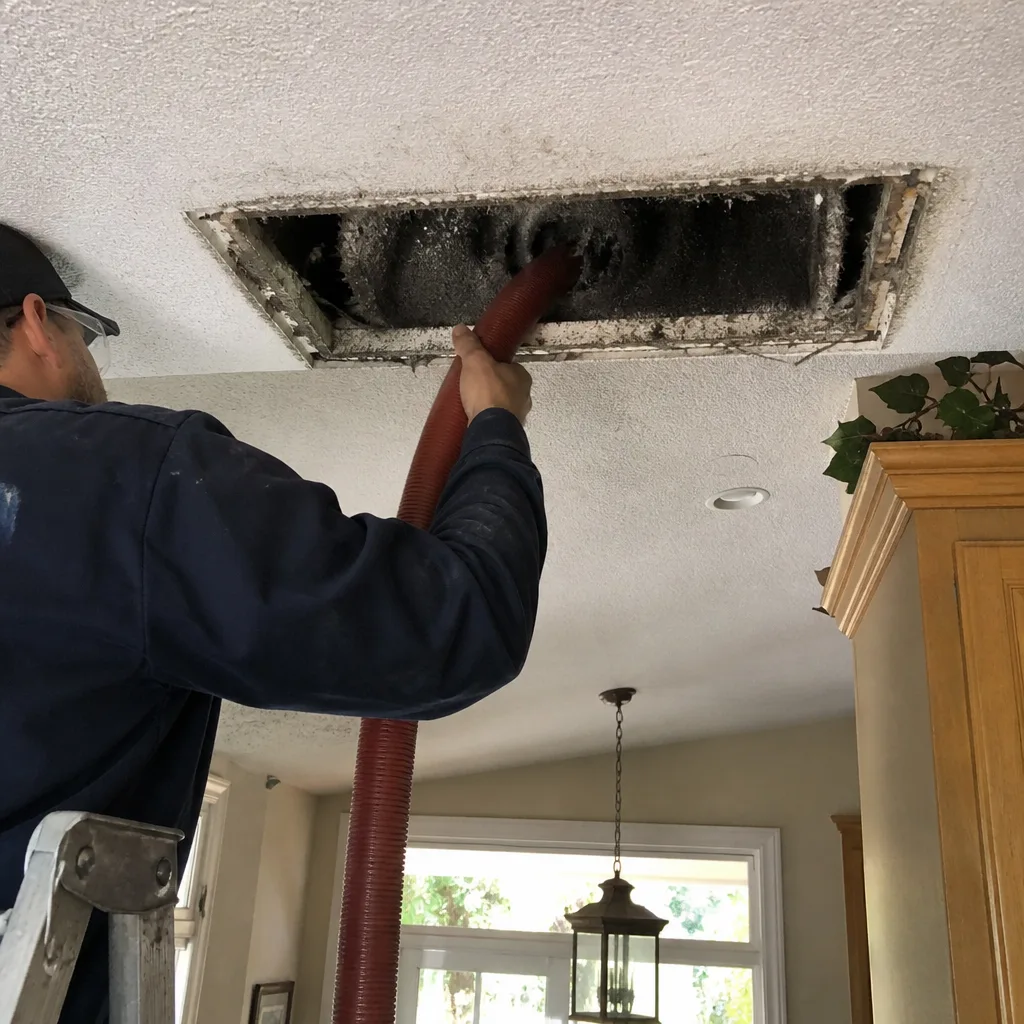
Whole-system duct and dryer vent check with before-and-after photos - you see exactly what came out of your vents
That "$99 whole-house special" is a bait ad - the real number appears once they are in your hallway, or the "clean" is a shop-vac at the register. We photograph the inside of your ducts before and after instead.
Air Duct Cleaning Troubleshooting: Common Problems and How to Fix Them
If your home is still dusty two weeks after a duct cleaning, the technician didn’t fail at cleaning – they probably stopped at the registers and never addressed the air handler cabinet, the return plenum, or a breach in the duct system pulling in attic air. This is the single most common reason homeowners in Chula Vista call us after another company has already been through the house. The ducts themselves were wiped clean, but the system keeps delivering dust because something upstream is still feeding it. This guide walks through the real reasons air duct cleaning warning signs appear to mean the job “didn’t work,” how to isolate each failure point, and what a proper fix actually looks like.
Styles & brands we work with
- Whole-home duct cleaning
- Dryer vent cleaning
- Camera inspection
- Sanitizing & deodorizing
Quick Answer
When dust returns shortly after a professional duct cleaning, the cause is almost never the ducts themselves. Persistent post-cleaning dust, weak airflow, or lingering odor points to one of five locations the first technician likely skipped: the air handler cabinet, the return plenum, the evaporator coil, duct leaks pulling attic or crawl space air, or a missed portion of the return side. You can confirm which one is responsible with a tissue test at each register, an inspection of the filter, and a look inside return grilles. Start by checking the return side and air handler before blaming the cleaning.
Table of Contents
- The Five Locations Every Duct Cleaning Must Address
- Duct Leaks vs. Dirty Coil vs. Re-Contamination: Which One Is Causing Your Dust
- Airflow Troubleshooting: The Tissue Test and What It Reveals
- Why Odors Linger After a Cleaning (And Where They Actually Live)
- What to Ask for in Documentation: How to Verify the Work Was Actually Done
- Why Some Duct Cleanings Fail: The Equipment and Scope Gap
- Common Mistakes to Avoid
- When to Call a Professional
- Frequently Asked Questions
- The Bottom Line
The Five Locations Every Duct Cleaning Must Address
Most homeowners picture air ducts as a network of metal tubes running through walls and ceilings. That mental image is incomplete. A residential HVAC air pathway has five distinct zones, and a cleaning that skips any one of them will produce complaints within weeks. In Chula Vista, where homes run air conditioning for much of the year and dust from nearby canyons and coastal breezes moves through the system constantly, the problem compounds quickly.
The five locations are:
- Supply ducts: The pipes that deliver conditioned air from the air handler to each room. These are what most people picture when they think “ducts.”
- Return ducts: The pipes that pull room air back to the air handler to be reconditioned. Returns are often dirtier than supplies in Chula Vista homes because they draw unfiltered air from the living space.
- The air handler cabinet: This is the metal box that houses the blower fan and, usually, the filter. Dust accumulates inside this enclosure, on fan blades, and along interior surfaces. If this cabinet is not opened and cleaned, the system instantly redistributes whatever is inside it.
- The plenum: The boxy transition pieces that sit on either side of the air handler, where ductwork connects to the equipment. The return plenum is especially prone to debris and sometimes even rodent nesting material in attics.
- The evaporator coil: The A-frame coil that sits inside the air handler. It gets wet during cooling cycles, collects dust, and can grow biological material. A dirty coil restricts airflow and creates odor.
When we arrive at a home in Chula Vista after another company has “cleaned the ducts,” our first step is usually to open the air handler cabinet. The ducts themselves may be spotless. The fan and coil are often caked in debris. That single skipped step explains most post-cleaning failures. This is why our air duct cleaning process treats the full system as one connected job – and it’s one reason we use Rotobrush rotary-brush equipment to agitate debris that suction-only setups leave behind on duct walls. A brush that mechanically scrubs the interior surfaces does a different job than a vacuum hose alone. If you want to understand what a complete scope looks like, our Air Duct Cleaning in Chula Vista page walks through the full process.
Duct Leaks vs. Dirty Coil vs. Re-Contamination: Which One Is Causing Your Dust
Persistent dust after a cleaning falls into one of three categories, and each requires a completely different fix. The tissue test in the next section helps narrow which one you’re dealing with, but first, understand the mechanisms.
Duct leaks pulling outside air
A duct leak is a breach in the duct wall – often at a joint, a seam, or where a flex duct has been pulled loose from a metal collar. When the leak is on the return side, the system sucks unconditioned air from the attic or crawl space. In Chula Vista, attics get hot, and crawl spaces carry fine particulate matter. That outside air bypasses the filter entirely, carrying whatever is in the attic – insulation fibers, dust, sometimes rat droppings – straight into the living space. The symptom is dust scattered across the room, frequently over furniture, because it’s being delivered directly by the supply registers. If the leak is on the supply side, you lose conditioned air into the attic instead, dropping system efficiency. Both scenarios mean the cleaning didn’t cause the problem and won’t solve it. Duct repair is the fix.
A dirty evaporator coil
The evaporator coil sits in the air stream at the air handler. It gets wet during cooling cycles. Dust in the air sticks to the wet coil, dries, and accumulates. Over time, that layer restricts airflow and provides food for microbial growth. A coil that is never cleaned keeps releasing particles into the air stream long after the ducts have been brushed. You’ll notice reduced airflow and visible dust on return grilles. In Chula Vista’s coastal moisture conditions, coils get dirty faster than inland homes because humidity keeps coil surfaces damp longer. The fix is coil cleaning using proper chemicals and, in some cases, coil fin combing to straighten bent aluminum fins. Some companies clean ducts without ever touching the coil.
Actual re-contamination
Re-contamination means dust is re-entering the cleaned system from another source. Common causes include a missing or improperly installed filter, a filter bypass gap, a return register that pulls air from a dusty area (garages, laundry rooms with lint in the air), or unsealed duct connections that reopened after cleaning. In older Chula Vista homes with original duct systems, tape used in previous seal jobs dries out and fails, opening gaps again within months. Re-contamination shows itself as dust accumulating on return grilles first, then spreading to supplies.
Each of these requires a different remedy. A leak needs sealing or replacement. A dirty coil needs chemical cleaning. Re-contamination needs source elimination. The only way to know which one you’re facing is inspection. Our Air Duct Repair in Chula Vista page covers how to identify and fix breaches in the system, including sealing, reconnecting separated sections, and replacing crushed or torn flex duct.
Airflow Troubleshooting: The Tissue Test and What It Reveals
The tissue test is the most useful diagnostic tool a homeowner in Chula Vista has for narrowing down why a cleaned system still isn’t performing. It costs nothing, takes ten minutes, and often reveals the exact branch of the duct system where the problem lives.
Here’s how to run it:
- Close all exterior doors and windows. Turn the fan to the “On” position at the thermostat so the blower runs continuously, regardless of temperature.
- Go to the first supply register – one of the grilles that blows air into a room. Hold a single-ply tissue or a piece of toilet paper about two inches from the register. It should blow away from the grille and flutter steadily.
- Test every supply register in the house, one at a time. Note which ones produce strong airflow and which do not.
- Now test the return grilles – the larger grilles that pull air in. A tissue held near a return should be pulled toward the grille and stick to it.
- Compare rooms. If one supply register blows weakly while others are strong, the branch feeding that room is choked – a crushed flex duct, a disconnected branch, or a damper that’s closed or partially closed.
- If every supply is weak and returns are also weak, the restriction is upstream – a clogged coil, a plugged filter, or a blower with debris on the wheel.
After a proper cleaning, airflow should be noticeably stronger at every register, particularly the ones farthest from the air handler. In Chula Vista homes with long duct runs to second stories or converted garages, the farthest registers are often the first to show improvement when the coil, blower, and plenums have been cleaned. If the farthest register is still barely moving air after a cleaning, the job was incomplete.
Compare your reading to the filter: if the filter was changed before the cleaning but is already visibly loaded with dust a week later, the system is pulling contaminated air. That points back to a return-side leak or a bypass around the filter, not a dirty supply duct.
Why Odors Linger After a Cleaning (And Where They Actually Live)
Duct cleaning companies often market odor removal as part of the service, but if a smell persists after cleaning, it almost always means the source was not in the ducts. Here are the most common odor sources in Chula Vista homes that are mistaken for duct problems.
The drain pan
Below the evaporator coil is a pan that collects condensation from the cooling process. That water is supposed to drain through a condensate line to the outside. If the line clogs with algae or debris, water sits in the pan. Warm attic air plus standing water produces a musty, dirty-sock odor that the blower distributes through the entire house. The smell gets worse when the AC runs and fades when the system is off. Cleaning the ducts will do nothing for this. The fix is clearing the condensate line, cleaning the pan, and sometimes treating it with a biocide or pan tablet. In Chula Vista’s warm climate, condensate lines clog regularly during summer.
The evaporator coil
A coated coil can harbor bacteria and mold that release volatile compounds into the air stream. This produces a stale, wet, or slightly sour smell. Some technicians spray a deodorizer into the ducts, which masks the odor for a few days and fools the customer into thinking the problem is gone. The genuine fix is removing the coil, cleaning it with a proper coil cleaner, and addressing the moisture condition that allowed growth in the first place.
Dead animal in ductwork or near the air handler
Rodents sometimes find their way into return ducts or nest in the air handler cabinet, especially in attics. The smell is unmistakable and localized to one or two registers at first, then spreads. A duct cleaning may remove nesting material but fail to address the entry point. In Chula Vista, roof rats are an ongoing nuisance in older construction, and they access attic duct systems through gaps around roof penetrations.
Dirty return plenum
The return plenum is the large box where multiple return ducts converge before entering the air handler. It’s often sheet metal with exposed seams and sometimes insulation inside. Debris, pet hair, and sometimes dust cakes accumulate on its surfaces. If the cleaning skipped the plenum, the odor source remains active. We’ve opened plenums in Chula Vista homes where dust was an inch thick on the bottom pan, with visible strands of insulation hanging from the seams. You can’t clean that from the registers.
The key distinction: if an odor is only present when the blower runs, the source is inside the air stream. If it’s constant, it’s outside the system and being distributed by it. A professional should identify which is which before any cleaning work begins.
What to Ask for in Documentation: How to Verify the Work Was Actually Done
The most effective defense against an incomplete duct cleaning is requiring documentation from the start. Most homeowners in Chula Vista wouldn’t accept a mechanic who says “trust me” after an engine repair. Duct cleaning should be treated with the same standard. Here’s what to ask for, both before the job and after.
Before the job:
- Before photos: Ask the technician to photograph the inside of representative ducts, the air handler, and the return plenum before starting. Any legitimate contractor has a camera with an extended lens or a borescope. If they resist, walk away.
- Scope confirmation: Ask specifically: “Does the price include cleaning the air handler, the coil, and both plenums?” Get the answer in writing on the estimate.
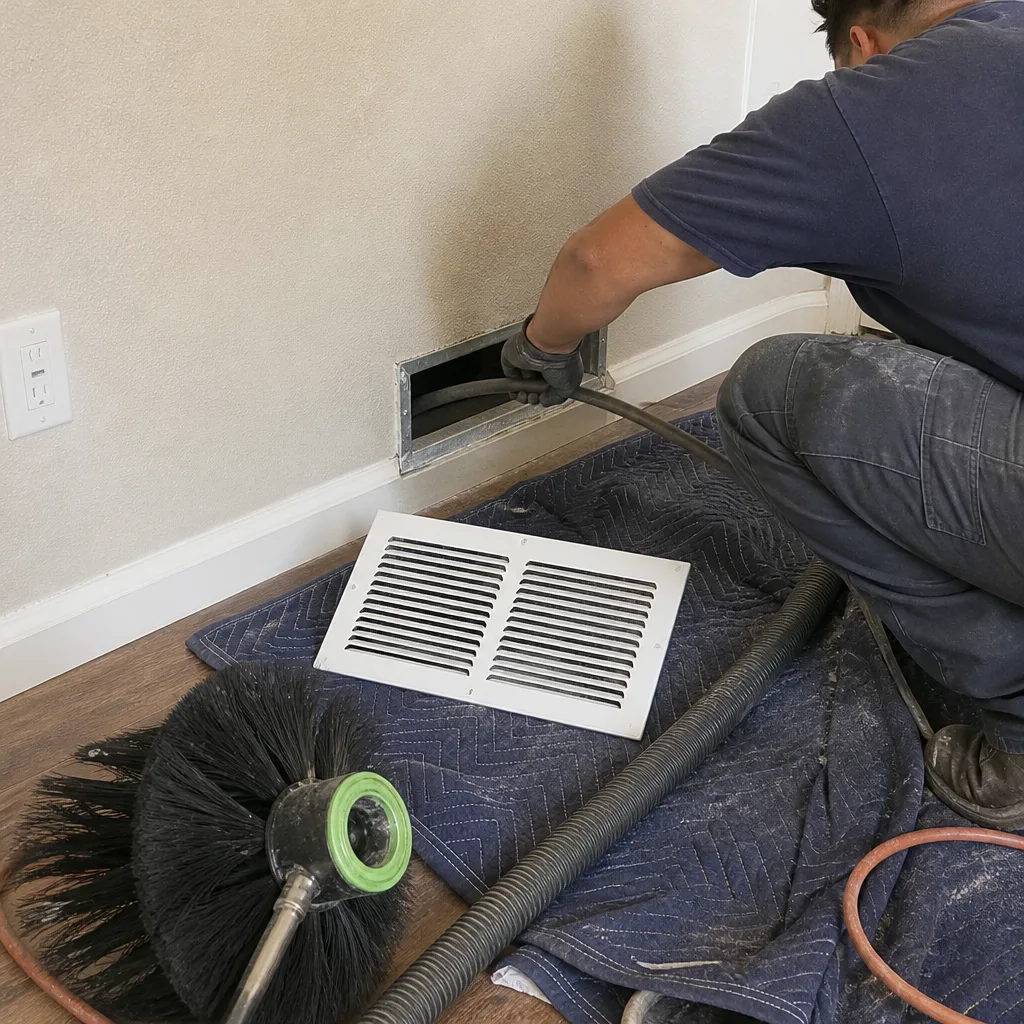
- Tools confirmation: Ask what mechanical agitation they will use. Suction-only methods are not adequate for removing adhered debris. A Rotobrush rotary-brush system or equivalent mechanical brushing is the minimum standard for genuinely cleaning duct walls.
After the job:
- After photos: The same angles as the before photos. Compare them side by side. If the after photo isn’t visibly cleaner, the job wasn’t done properly.
- Static pressure readings: When we perform duct repair in Chula Vista, we take a pressure reading across the air handler before and after. A drop in static pressure means the system is breathing better. If a contractor can’t or won’t provide this, ask for video inspection footage instead.
- Video walkthrough: A borescope or endoscopic camera run through the main supply trunk and returns, recorded on the job, can show whether interior surfaces are clean.
The photo requirement alone shifts behavior. A technician who knows they’ll be expected to show before-and-after evidence of their own work does a different job than one who knows they’ll be gone before the dust settles. This is a core part of our process: our customers see what we see. We use Nikro equipment on every job because the brand is built for professionals who work to interior-surface cleaning standards used in restoration-type projects. For more detail on what a complete process includes, our Cornerstone Duct Cleaning home page lays out the full scope.
Why Some Duct Cleanings Fail: The Equipment and Scope Gap
There are two fundamental reasons a duct cleaning can be completed and still fail to solve a homeowner’s problem. Both are visible to a customer who knows what to look for.
Suction-only cleaning cannot remove adhered debris
A shop vac or truck-mounted vacuum attached to the register pulls loose dust from the duct system, but it doesn’t remove the layer of fine dust, skin cells, and cooking residue that adheres to duct walls. The standard in professional HVAC work is mechanical agitation – a brush that spins through the ducts, breaking the adhesion and pushing dust into the air stream where the vacuum can capture it. We use Rotobrush rotary-brush systems for this reason. The difference is visible in after photos: duct walls go from gray and filmed to bright metal. Suction-only cleaning is less expensive, which is why it dominates the discount end of the market. In Chula Vista, we regularly see homes that were cleaned by a suction-only company within the last year and already have a new layer of dust clinging to the duct walls. The cleaning wasn’t defective; the method was insufficient.
Incomplete scope: the job ended at the registers
Many low-price duct cleaning companies in the Chula Vista market define the scope as “the ducts.” They do not open the air handler. They do not clean the blower fan. They do not touch the evaporator coil. They do not remove the return plenum access panel. The result is a half-cleaned system: the pathways are clean, but the heart of the system is still covered in debris. The moment the blower spins, it redistributes that debris into the clean ducts. The homeowner sees dust within two weeks and concludes that duct cleaning “doesn’t work.” It does work – when the air handler, coil, and plenums are included. We repair what others only clean around, which means if a section of duct is collapsed, corroded, or separated, we address it rather than cleaning past it and calling the job done. This is where duct repair comes in.
Honeywell filtration components often come into play here, too. When a home has a Honeywell media cabinet or electronic air cleaner, the system relies on the filter working correctly. If the duct cleaning included the filter cabinet but didn’t replace or properly seat the filter, the system recontaminates quickly. Understanding the full filtration chain – from the return grille, through the filter, through the coil, and into the supply branches – is the distinction between a duct-only job and whole-system restoration.
Common Mistakes to Avoid
- Hiring a company that doesn’t open the air handler. If the blower, fan wheel, and coil aren’t cleaned, the system redistributes trapped debris immediately. Ask before booking: “Is the air handler included in the price?” Get it in writing.
- Accepting a quote without asking about mechanical agitation. “Suction cleaning” is a vacuum on the registers. Be clear on what tool will be used to dislodge adhered debris. If the answer is vague, move on.
- Paying for a “deodorizer” instead of a clean. Scented treatments sprayed into the ducts mask problems for a week or two. The underlying odor source – a drain pan, a coated coil, or a leak pulling attic air – remains active and returns.
- Ignoring the filter. On the day of the cleaning, the filter should be checked and replaced or cleaned. A dirty filter immediately contaminates a just-cleaned system. Ask the technician to remove the filter and show it to you.
- Forgetting the return side. The return side is where dust enters the system. A cleaning that focuses only on supply registers leaves the intake side untouched, defeating the purpose within days.
- Not documenting before and after. If there are no photos, there is no record of what was actually done. Require them before the technician starts.
- Choosing the lowest bid. In Chula Vista, the price gap between a complete system cleaning and a suction-only job is often only a couple hundred dollars. The lower bid almost always reflects skipped work, not superior efficiency.
When to Call a Professional
Some post-cleaning problems are safe to diagnose yourself – the tissue test, checking the filter, looking for obvious disconnected flex duct. But certain scenarios require professional equipment and experience. If you see dust returning from multiple registers despite a clean filter and a fresh cleaning, or if there is visible moisture, rust, or biological growth inside the duct or air handler, do not attempt to clean it yourself. Mold and bacteria in the air stream require proper containment and removal, not household cleaning products. If airflow is sharply reduced in one room but strong elsewhere, the branch line may be crushed or disconnected inside a wall cavity – an inspection camera is the only way to see it. If the problem is a leaking duct in the attic or crawl space, the repair requires proper sealing materials and sometimes full section replacement. Cornerstone Duct Cleaning offers free estimates in Chula Vista – call (877) 824-2920 if any of these describe your home.
Frequently Asked Questions
Persistent dust after a professional cleaning almost always means the source was missed – the air handler cabinet, return plenum, evaporator coil, or a duct leak pulling attic or crawl space air. Check the filter first, then run a tissue test at each register to isolate whether the problem is system-wide or branch-specific. Call (877) 824-2920 for a free assessment if dust returns within two weeks of a completed cleaning.
Require before-and-after photos from inside the ducts, the air handler, and the return plenum. A complete job includes mechanical agitation of duct walls, not just vacuum suction, and it includes the air handler and coil. If a contractor can’t produce photos of each of these areas, the job was probably incomplete.
Yes. A leak on the return side pulls unfiltered attic or crawl space air directly into the system, bypassing the filter and delivering particulates through supply registers. This is one of the most common causes of “the cleaning didn’t work” complaints in Chula Vista, where attic and crawl space dust levels are high in older construction.
Musty odor after a cleaning usually points to the condensate drain pan or the evaporator coil, not the ductwork itself. Standing water in a clogged pan or biological growth on the coil produces odors that the blower distributes through the house. The fix is cleaning the coil and clearing the drain line, not re-cleaning the ducts.
Turn the thermostat fan to “On” and hold a single-ply tissue near each supply register. It should flutter strongly. Hold it near each return grille – it should stick to the grille. Weak airflow at one register points to a branch-specific problem. Weak airflow everywhere points to a restricted coil, plugged filter, or blower issue. This simple test takes ten minutes and tells you which part of the system to investigate next.
Look for a contractor who uses mechanical agitation equipment like Rotobrush, who includes the air handler and evaporator coil in the standard scope, who photographs before and after, and who can also handle repair work if a breach or separation is found. A company that only cleans ducts but cannot repair them will clean around problems and leave them in place. Our Dryer Vent Cleaning in Chula Vista page explains the same standard applied to dryer vents, where complete removal and photo documentation matter equally.
The Bottom Line
When a duct cleaning doesn’t produce clean air, the problem usually isn’t the cleaning. It’s an incomplete scope. The ducts are only one part of the HVAC air pathway, and the other four parts – air handler, return plenum, evaporator coil, and the return side – matter as much or more. Persistent dust means one of those components was skipped or a leak is pulling outside air into the system. Run a tissue test, check the filter, and ask for documentation. If the job was done well and the problem persists, the source is a leak, a dirty coil, or a clogged drain pan. Each has a specific fix. A contractor with the equipment, the scope, and the willingness to show you the work will solve it. In Chula Vista, that standard starts with professional air duct cleaning and the questions you ask before the job begins.
Written by the team at Cornerstone Duct Cleaning, serving Chula Vista since 2013. See more guides & resources from our team.
See the difference
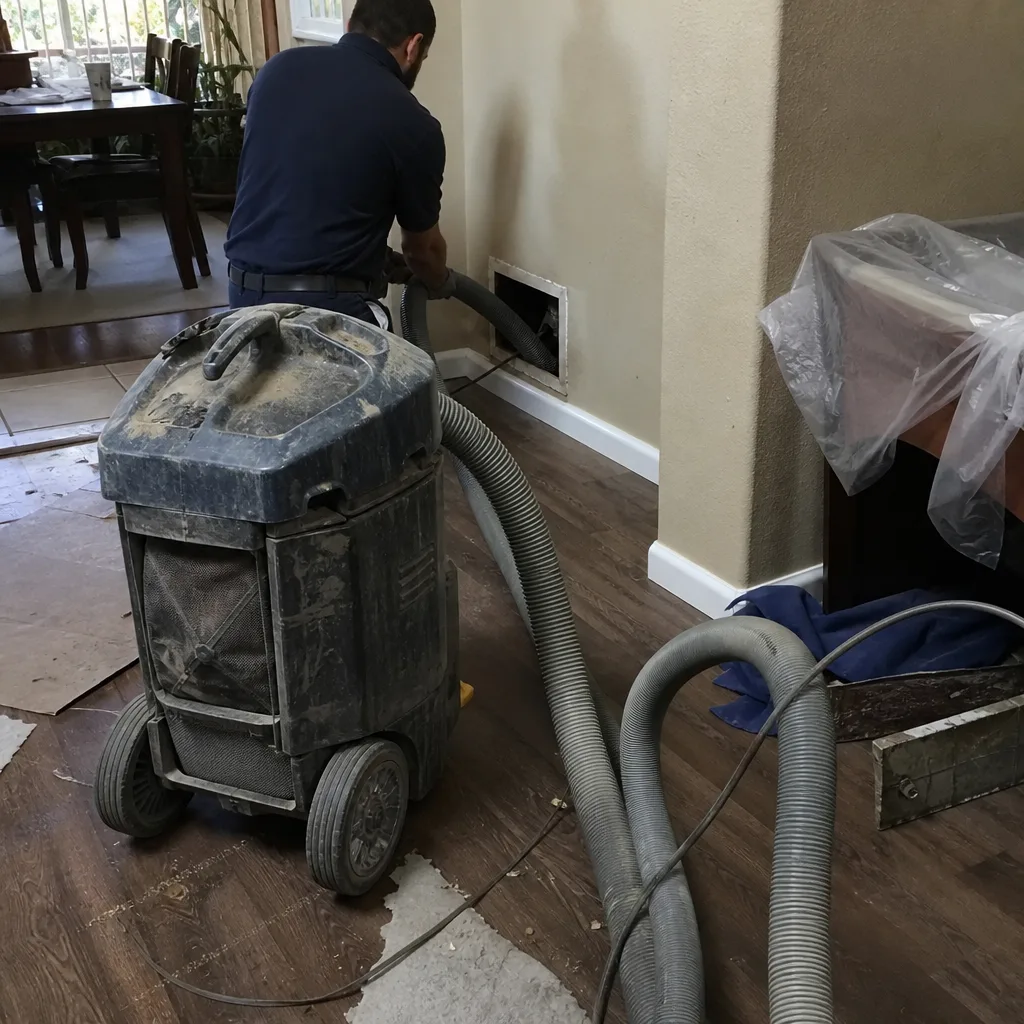 Before
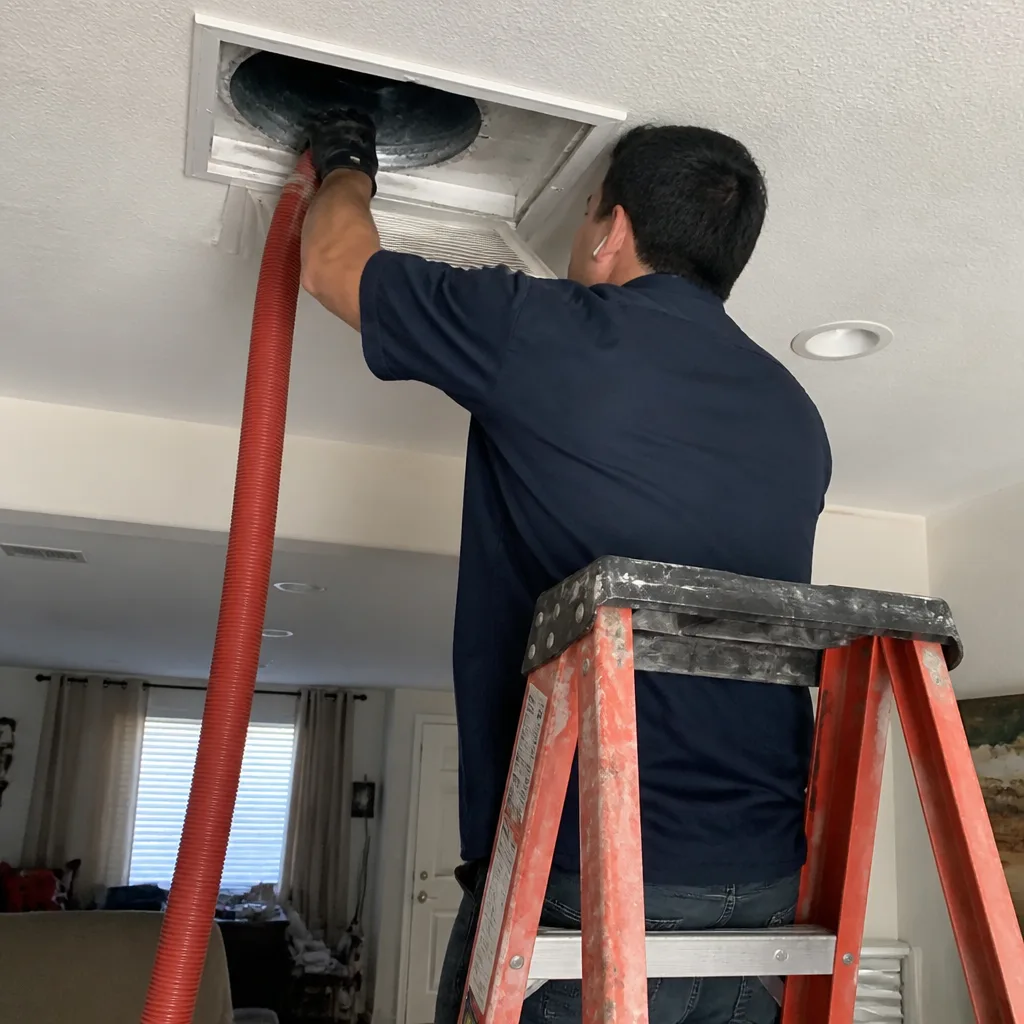 After
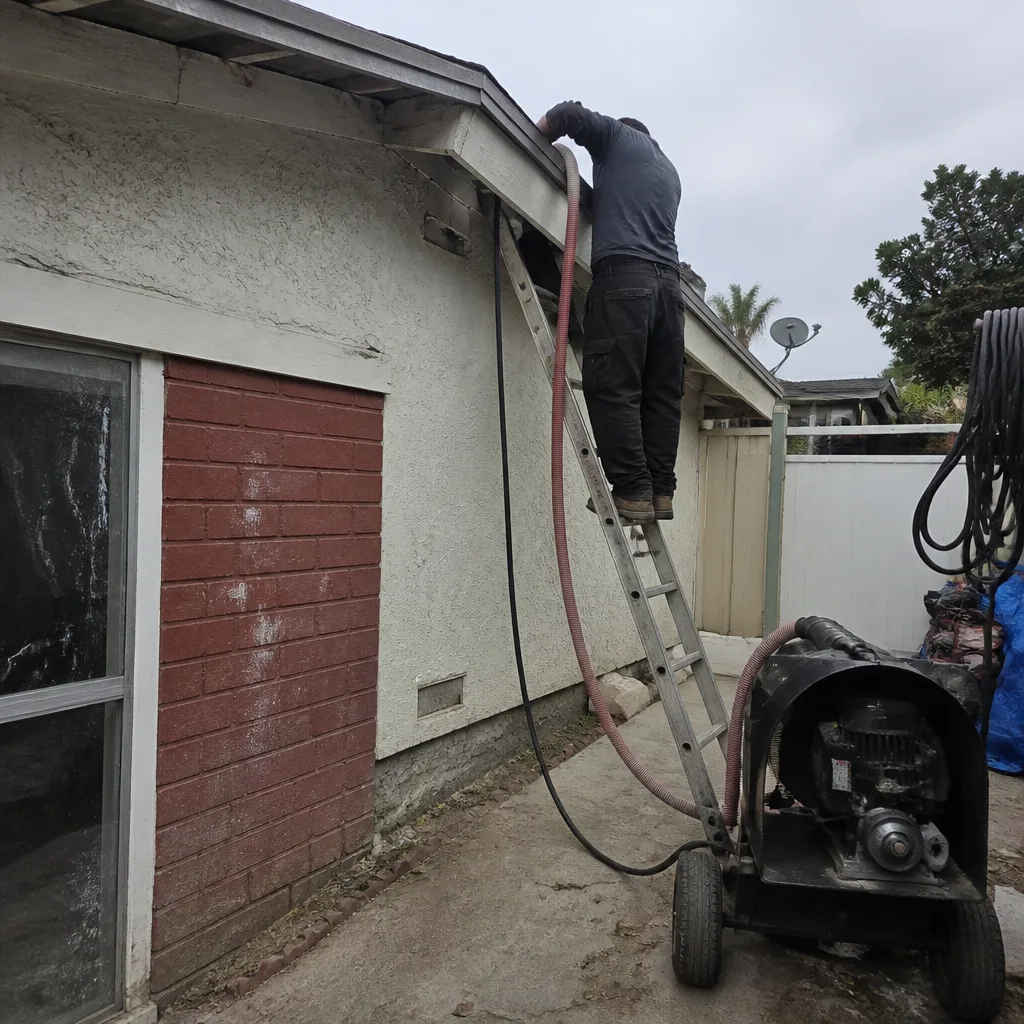 Before
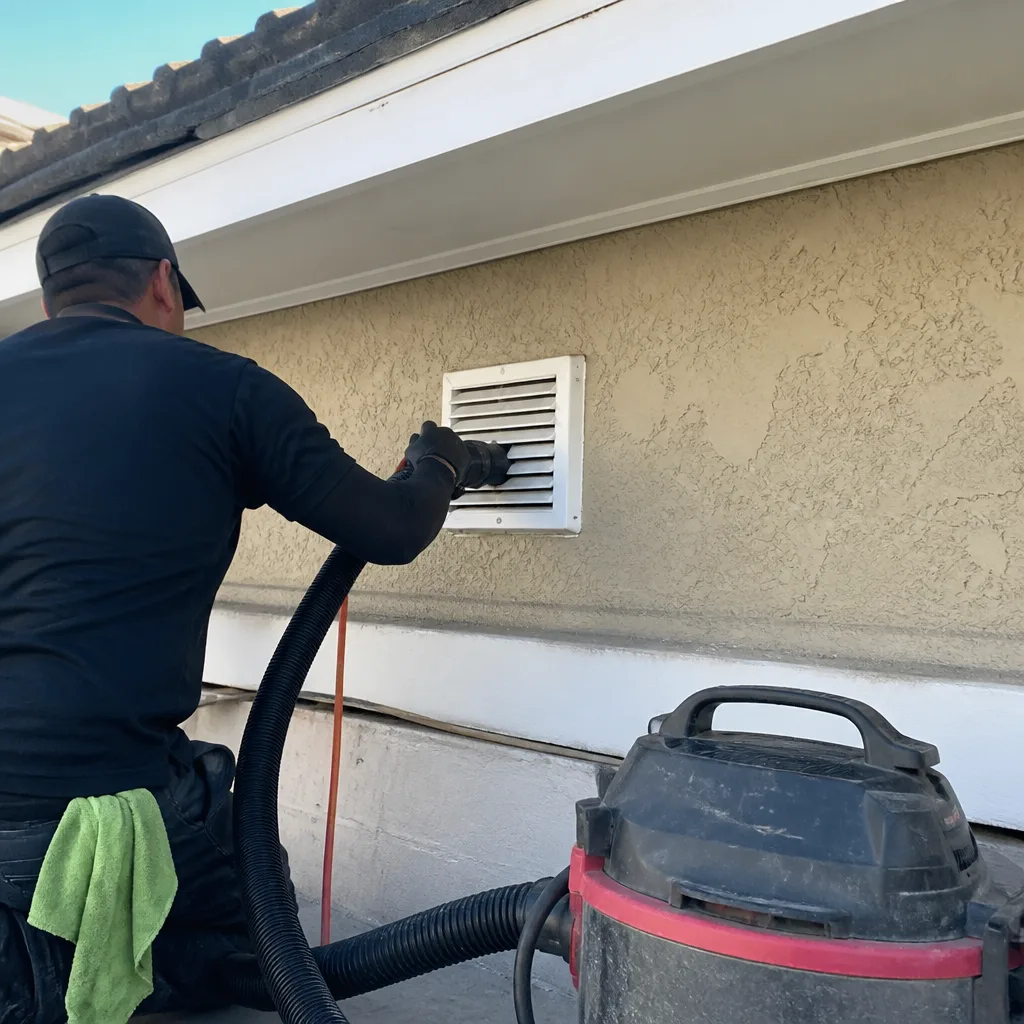 After
 Before
 After