
Last updated November 2, 2026
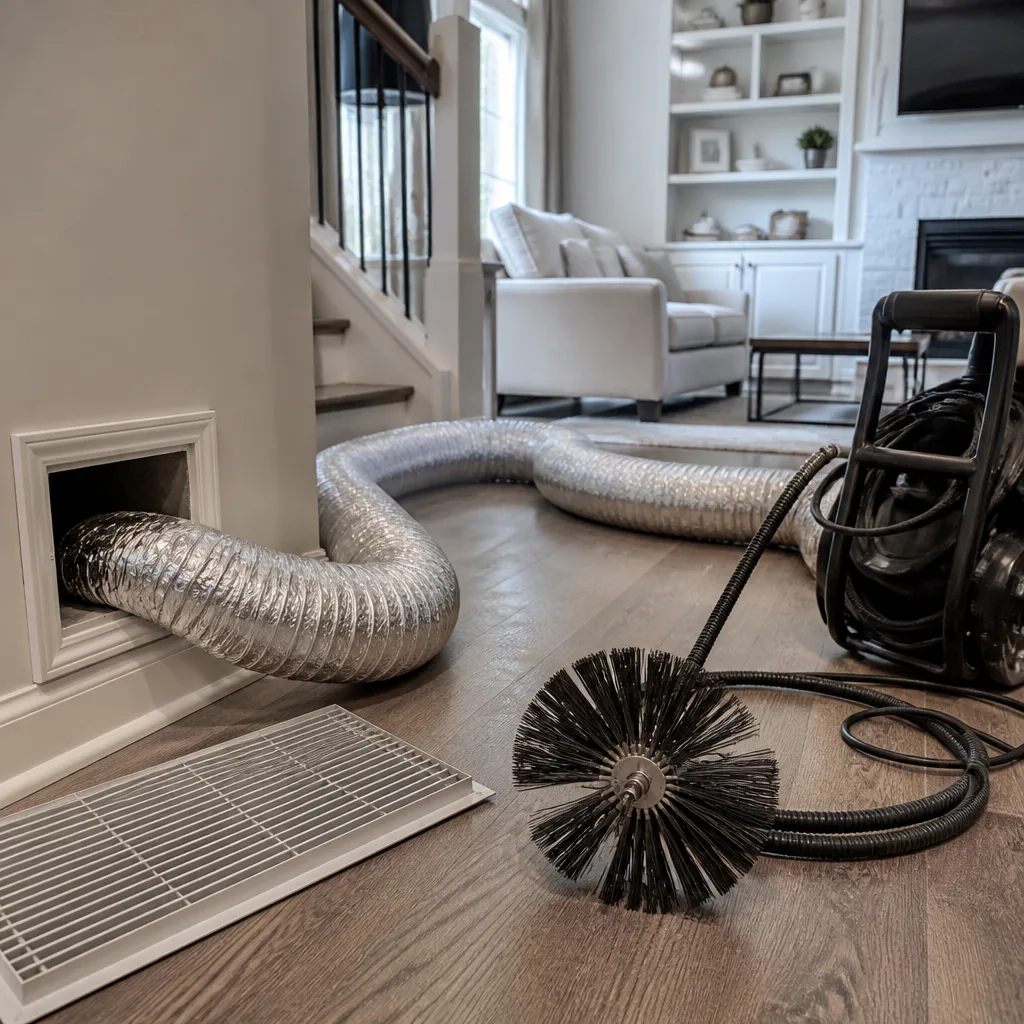 Whole-home duct cleaning
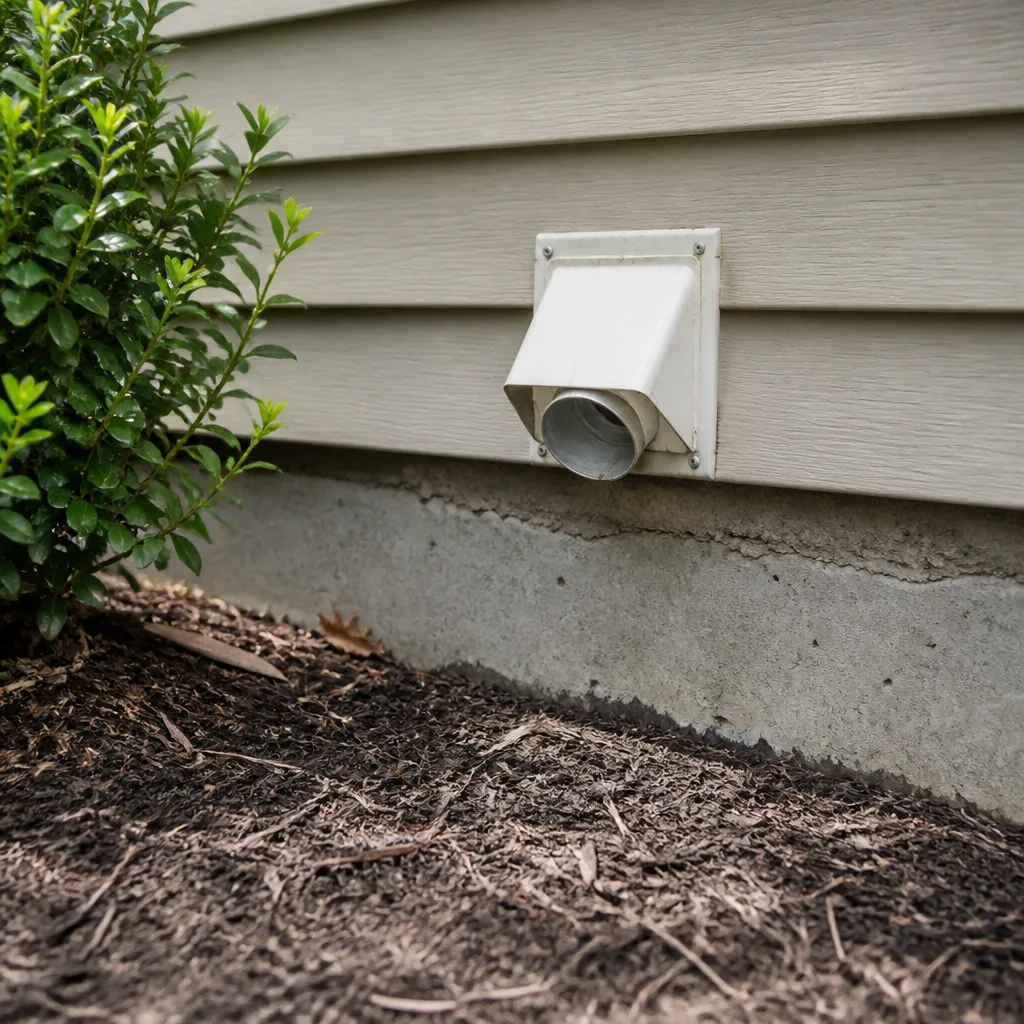 Dryer vent cleaning
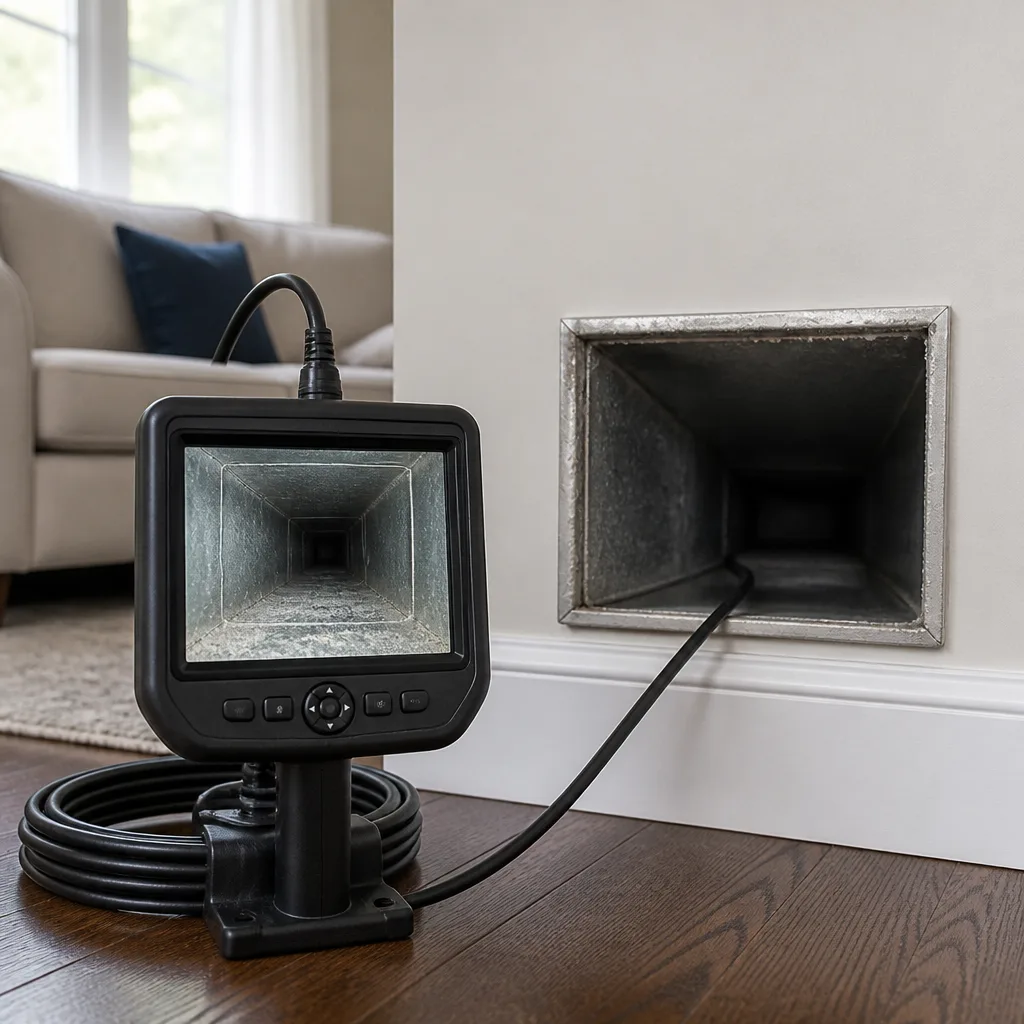 Camera inspection
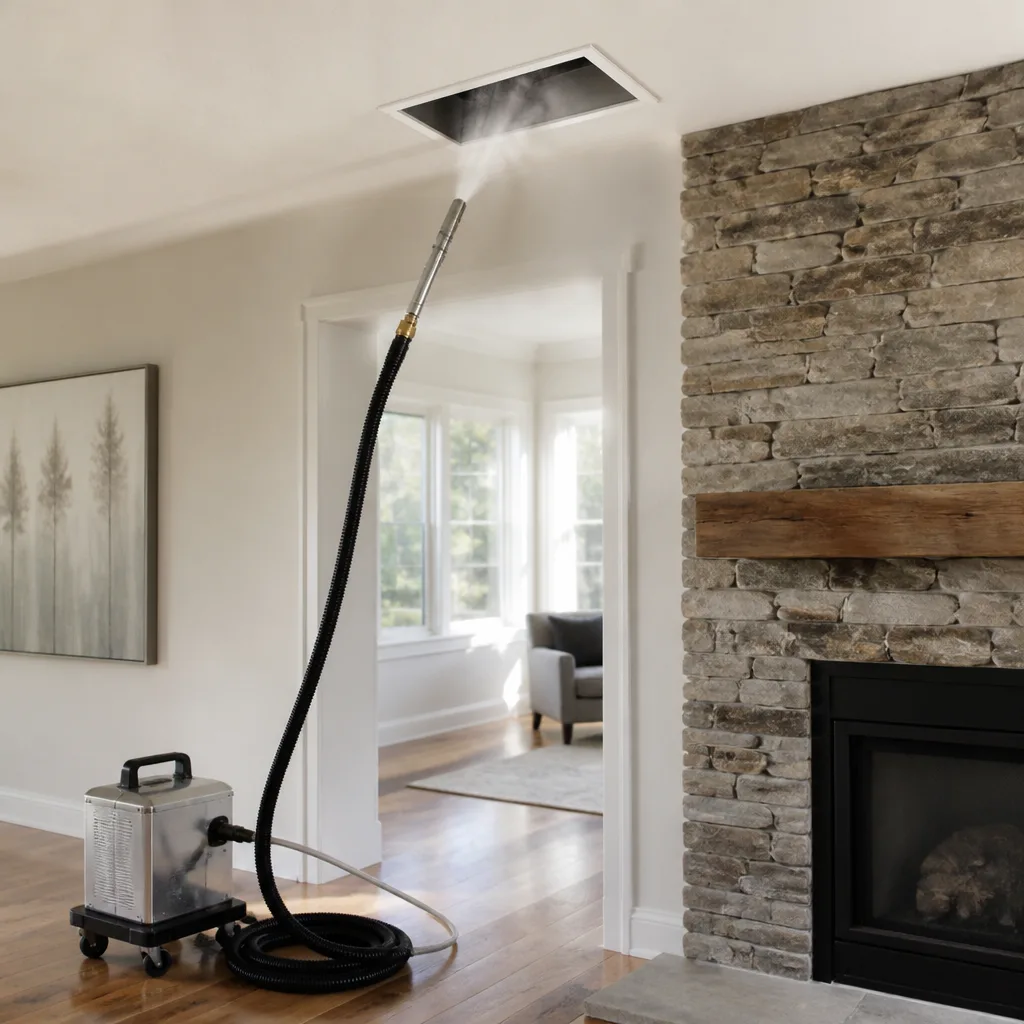 Sanitizing & deodorizing
Whole-system duct and dryer vent check with before-and-after photos - you see exactly what came out of your vents
That "$99 whole-house special" is a bait ad - the real number appears once they are in your hallway, or the "clean" is a shop-vac at the register. We photograph the inside of your ducts before and after instead.
Air Duct Cleaning Permits, Codes & Inspections in CA: What You Need to Know
You don’t need a permit to clean your ducts. That’s the short version. But if the cleaning reveals a disconnected trunk line that gets reconnected, or a crushed flex-duct run that gets replaced, you’ve just crossed into permitted work. Most Chula Vista homeowners have no idea that line exists until a buyer’s inspector flags it during escrow. This guide – and our companion Air Duct Cleaning Warning Signs: A Chula Vista Homeowner’s Reference Guide – walk through exactly where California draws the line between cleaning, repair, and modification, what the California Mechanical Code actually says about ductwork, and how to avoid the unpermitted-work trap that quietly complicates home sales across San Diego County.
Key Takeaways:
- Duct cleaning itself never requires a permit anywhere in California.
- Duct replacement, reconnection of disconnected sections, and system capacity changes generally do require a permit in Chula Vista.
- Title 24 energy code requirements apply to duct sealing, not just to replacement.
- Unpermitted duct modifications routinely surface during resale inspections and can delay or derail a sale.
- The equipment used matters: contractor-grade rotary brush systems reveal code issues that suction-only cleaning misses.
Quick Answer
Air duct cleaning requires no permit anywhere in California, including Chula Vista. However, duct repairs, replacements, reconnections, and modifications to system capacity fall under the California Mechanical Code (CMC Chapter 6) and typically require a permit from the City of Chula Vista Building Division. The distinction matters because unpermitted duct work often surfaces during home resale inspections, creating liability and negotiating leverage for buyers. If your cleaning inspection uncovers disconnected or damaged ductwork, our Air Duct Cleaning Troubleshooting: Common Problems and How to Fix Them can help you know where the cleaning ends and the repair begins.
Styles & brands we work with
- Whole-home duct cleaning
- Dryer vent cleaning
- Camera inspection
- Sanitizing & deodorizing
Table of Contents
- When No Permit Is Required: The Cleaning Scope
- When a Permit Is Required: Repair, Replacement, and Modification
- What the California Mechanical Code (CMC Chapter 6) Actually Governs
- How Title 24 Energy Code Intersects with Duct Sealing
- Chula Vista Building Division: Local Requirements and Process
- Unpermitted Duct Work at Resale: What Sellers and Buyers Face
- Cleaning Company Scope vs. Licensed HVAC Contractor Scope
- Common Mistakes to Avoid
When No Permit Is Required: The Cleaning Scope
Here’s the foundational fact that confuses most homeowners: cleaning is maintenance, and maintenance is unregulated in the permit sense. The California Mechanical Code does not require a permit for the routine cleaning of air ducts, registers, grilles, plenums, or evaporator coils as part of normal system upkeep. The City of Chula Vista Building Division follows the same logic. You can schedule duct cleaning, have a technician run a rotary brush through your supply and return lines, sanitize surfaces, and document the before-and-after condition, all without ever touching a permit counter.
What defines the cleaning scope in practical terms? Any action that restores existing ductwork to its original condition without altering its configuration, materials, connections, or performance characteristics. That includes:
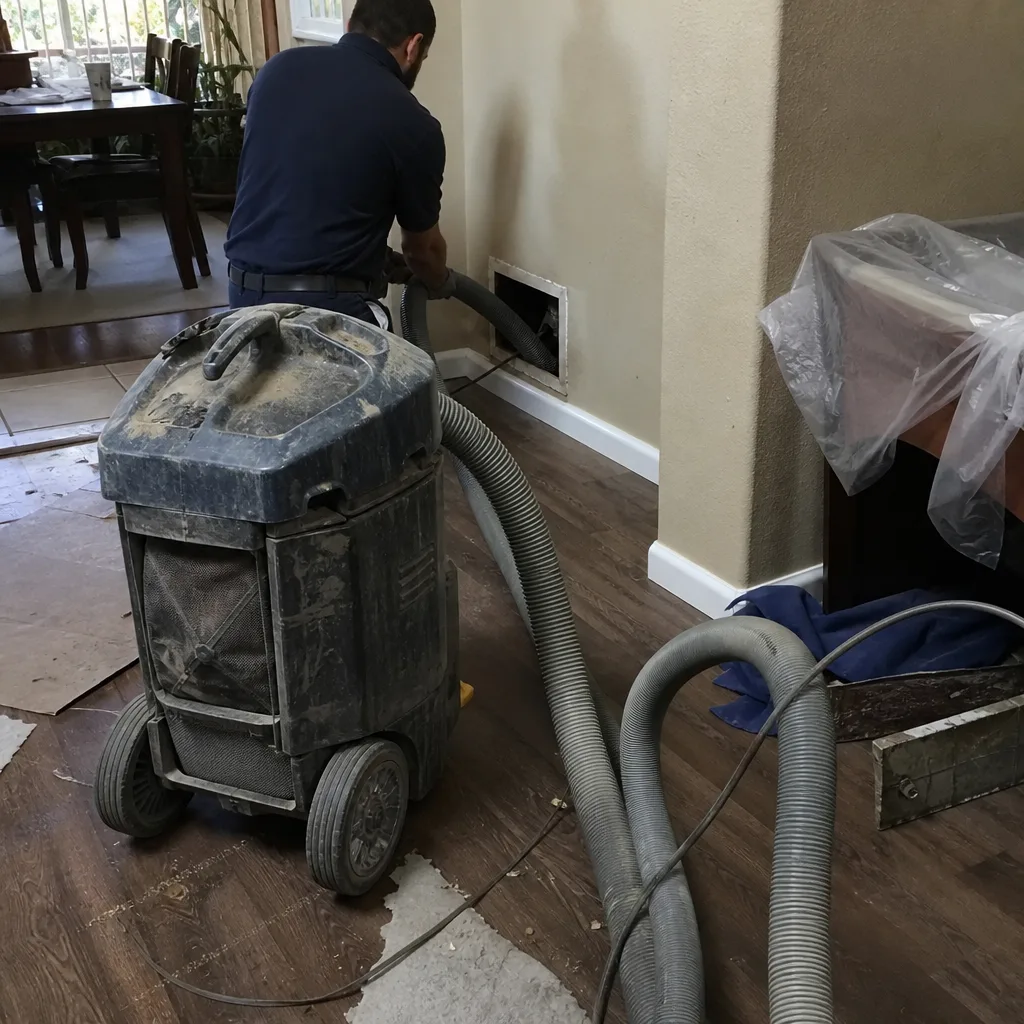
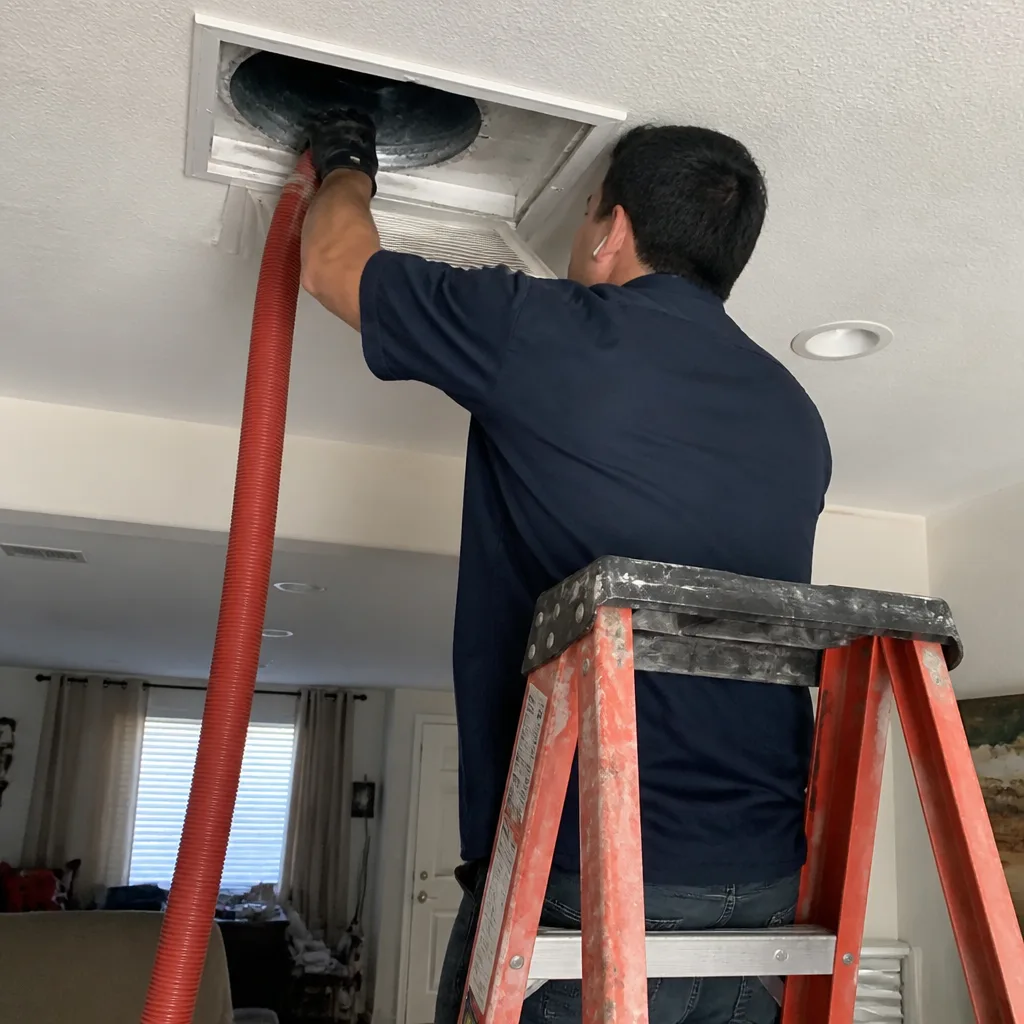
- Mechanical agitation of interior duct surfaces using rotary brush systems
- Negative-air collection of loosened debris using HEPA-filtered equipment
- Cleaning of register boots, grilles, and diffusers
- Visual inspection with cameras or borescopes
- Application of antimicrobial surface treatments to existing duct interiors
In our experience providing Air Duct Cleaning services in Chula Vista homes from Eastlake to Otay Ranch, the cleaning step itself is rarely where homeowners hit trouble. The trouble starts when the inspection that accompanies professional cleaning reveals something broken. A collapsed flex-duct run in a crawlspace. A supply trunk that disconnected from a takeoff collar years ago and has been blowing conditioned air into the attic. Those findings are valuable, but they’re also where the permit conversation begins.
When a Permit Is Required: Repair, Replacement, and Modification
The California Mechanical Code requires a permit for any duct work that changes the system. Not cleans it. Changes it. Here is the practical breakdown of what crosses the line in Chula Vista:
If a section of flex duct is crushed, torn, or collapsed and a technician replaces that section with new duct material, that is a repair requiring a permit. If a metal trunk line has separated at a joint and a technician reconnects it, that is also permit-required work under CMC Chapter 6. The logic is straightforward: any activity that alters duct materials, connections, sizing, or configuration is regulated construction work, and regulated construction work in California goes through a building department.
Some Chula Vista homeowners ask whether adding a new supply register to an existing room triggers a permit. It does, because it changes system capacity and air distribution design. Others ask whether replacing a section of damaged duct with the exact same size and material still requires paperwork. Under Chula Vista’s interpretation of the CMC, yes, because the work involves removing and reconnecting duct connections, which are governed code compliance points. The city wants a building inspector to verify that the replacement meets current clearances, support requirements, and connection standards.
Here’s the specific list of duct activities that generally require a permit in Chula Vista:
- Replacement of any duct section, flex or rigid, longer than a simple boot-to-register connection
- Reconnection of separated or disconnected trunk lines, branch runs, or takeoffs
- Installation of new ducts to serve areas that previously lacked supply or return airflow
- Any modification that increases or decreases system airflow capacity by changing duct diameter or adding/removing registers
- Re-routing existing ductwork to accommodate remodeling, structural changes, or equipment relocation
The gray zone that trips up homeowners: a duct cleaning technician finds a minor separation at a takeoff collar and pushes it back together. Depending on the extent of the separation and whether fasteners or sealant are applied, that act straddles the line between routine maintenance and repair. If the fix is purely friction-fit and requires no tools, most inspectors would treat it as incidental. If it requires sheet metal screws, mastic, or foil tape to secure, it’s repair work.
What the California Mechanical Code (CMC Chapter 6) Actually Governs
CMC Chapter 6 is the relevant section. Its full title is “Duct Systems,” and it governs everything from duct material standards to clearance requirements to connection methods. Homeowners rarely read it. Here’s what it actually regulates and why it matters for anyone living in Chula Vista considering duct work:
First, materials. CMC 601.2 requires that ducts be constructed of materials approved for the application. Galvanized steel sheet metal and specific approved flex-duct types dominate residential work. The code prohibits using building cavities, wall voids, or floor joist spaces as duct substitutes, which is a common finding in older Chula Vista homes where a previous owner routed return air through a stud bay instead of installing a proper return duct. That condition is a code violation and fixing it requires a permit.
Second, clearances. CMC Chapter 6 establishes minimum clearance to combustibles for ductwork passing through attics, crawlspaces, and chases. In Chula Vista’s climate, where attics routinely hit 130 degrees in August, the code’s clearance requirements interact directly with insulation installation. Ducts buried under attic insulation without proper spacing or R-value labelling is a code issue that cleaning inspections often reveal.
Third, connections and support. CMC 603 specifies how ducts must be fastened at joints, supported at intervals, and sealed at connections. The code references specific standards for mastic sealant and approved tapes. Duct tape, the grey cloth product every homeowner has in a drawer, is not an approved sealing material under the CMC. A cleaning inspection that reveals grey duct tape on supply connections is looking at a code non-compliance, and correcting it enters permit territory.
Fourth, access. CMC 604 requires access panels for certain components, including fire dampers and certain cleanouts. In residential Chula Vista work, access requirements most often come into play when a homeowner has finished a garage or enclosed an attic area and buried duct connections behind drywall without access.
How Title 24 Energy Code Intersects with Duct Sealing
California’s Title 24 energy standards, specifically the Building Energy Efficiency Standards updated on a three-year cycle, impose requirements that go beyond the CMC. Most Chula Vista homeowners think of Title 24 as a solar-panel or window-glazing mandate. It’s also a duct-sealing mandate, and it’s the single most overlooked layer in the entire permit conversation.
Title 24 requires that duct systems in new construction and in significant alterations meet specific leakage limits measured in CFM per 100 square feet of conditioned floor area. The practical implication: when duct work is replaced or significantly modified under a permit, the completed work must pass a duct leakage test. That test involves a blower-door or duct-blaster measurement, and a HERS (Home Energy Rating System) rater typically performs it. In Chula Vista, permitted duct replacement work on a home built after the most recent energy-code cycle must demonstrate leakage below the threshold before the building department will sign off.
The relevant code sections for duct sealing include:
- Title 24, Part 6, Section 150.0(m) – duct insulation and sealing requirements for new and existing buildings
- Title 24, Part 6, Section 150.2(b) – requirements triggered when alterations affect more than 40 linear feet of ductwork in a low-rise residential building
- CMC 603.9 – duct sealing requirements at joints and connections
What this means for a Chula Vista homeowner whose duct cleaning reveals significant leakage: sealing minor leaks at accessible connections is a maintenance activity. But replacing enough duct to trigger Title 24 alteration thresholds means the permitting process includes an energy-compliance component, not just a mechanical inspection. The building department will require documentation that the sealing work meets current leakage standards. Most homeowners who attempt to sidestep this end up with an open permit and a stalled project.
Chula Vista Building Division: Local Requirements and Process
The City of Chula Vista Building Division enforces the California Mechanical Code locally. Permits for duct work are issued through the Building Division counter at City Hall or through the city’s online permitting portal. For most residential duct replacement or reconnection projects, the permit is classified as a mechanical permit, distinct from a building permit, and follows a simplified review path.
The typical process for a Chula Vista homeowner looks like this:
- Determine the scope: replacement sections, reconnections, or capacity changes all require permits. Cleaning alone does not.
- Submit a mechanical permit application describing the work, including duct sizes, materials, and scope of replacement or modification.
- Pay the permit fee, which is calculated based on the value of the work being performed.
- Complete the work under the permit, following CMC Chapter 6 requirements for materials, clearances, connections, and support.
- Schedule an inspection with the Building Division to verify code compliance.
- For Title 24-triggered work, arrange for the required HERS duct leakage testing and submit results to the city.
- Receive final sign-off, which closes the permit and creates a record that protects you at resale.
One Chula Vista-specific note: the city’s building department has ramped up enforcement of mechanical permits in recent years as part of broader energy-compliance tracking. Title 24 compliance documentation is increasingly required to be attached to mechanical permit applications for duct work. A licensed contractor familiar with Chula Vista’s specific submission requirements will save you multiple trips to the counter.
Unpermitted Duct Work at Resale: What Sellers and Buyers Face
Here is where the permit conversation stops being theoretical. Chula Vista’s real estate market moves fast, and homes sell with deferred maintenance items every week. But unpermitted duct work is different from a worn-out water heater or peeling paint. It’s a construction-code issue, and it surfaces in a specific, predictable way.
When a buyer hires a home inspector, that inspector notes any visible duct work that appears newer than the surrounding structure, or any configurations that suggest modification. If the seller’s disclosure package does not show a corresponding permit, the inspector flags it. The buyer’s agent then typically asks the seller to either produce the permit, retroactively permit the work, or provide a credit. In a market with multiple offers, buyers waive contingencies to win bids, and unpermitted duct work becomes the thing that resurfaces in a renegotiation or, worse, after closing.
California law requires sellers to disclose known unpermitted work. Hiding it is fraud. Claiming ignorance after a cleaning inspection documented the condition is difficult. The cleanest path for a Chula Vista homeowner who discovers unpermitted duct work is to proactively pull a permit for the correction while they still own the home. Retroactive permits for work already completed are more complicated than pulling one upfront, and some cities require exposing the work for inspection before they will sign off. That can mean cutting open drywall to show duct connections.
The practical takeaway: if you’re planning duct repairs before selling a Chula Vista home, permit them properly. If you’re buying a home with visible duct modifications, ask for the mechanical permit record. If you’re a landlord preparing a unit for occupancy, unpermitted duct work is a habitability-adjacent liability you don’t want to carry into a new tenancy.
Cleaning Company Scope vs. Licensed HVAC Contractor Scope
This distinction is the one most consumers miss, and it’s worth stating plainly. A duct cleaning company cleans. A licensed HVAC contractor, specifically one holding a C-20 warm-air heating, ventilating, and air-conditioning contractor’s license in California, installs, modifies, and repairs duct systems. The cleaning company’s finding of a disconnected duct is diagnostic. The correction of that disconnection is HVAC contractor work.
Why does this matter? Because California contract law restricts who may perform construction work. A company offering solely duct cleaning services cannot legally perform duct replacement or reconnection without the appropriate contractor’s license. In our work, we see disconnected trunks and crushed flex runs on a regular basis. The ethical and legal path is to document the finding, explain what the correction involves, and refer the homeowner to a licensed C-20 contractor for the repair. Some companies blur this line. A homeowner who hires an unlicensed entity to perform duct repair has no recourse through the Contractors State License Board if the work fails.
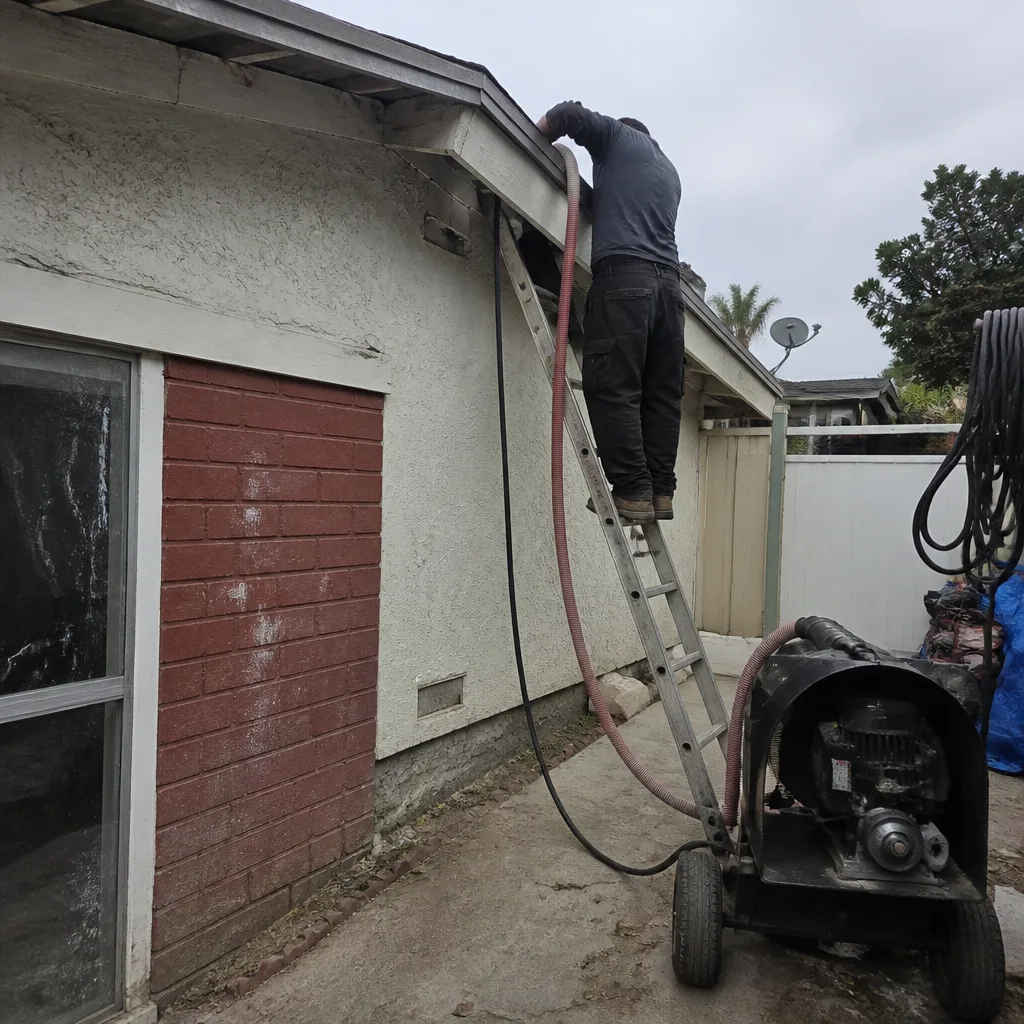
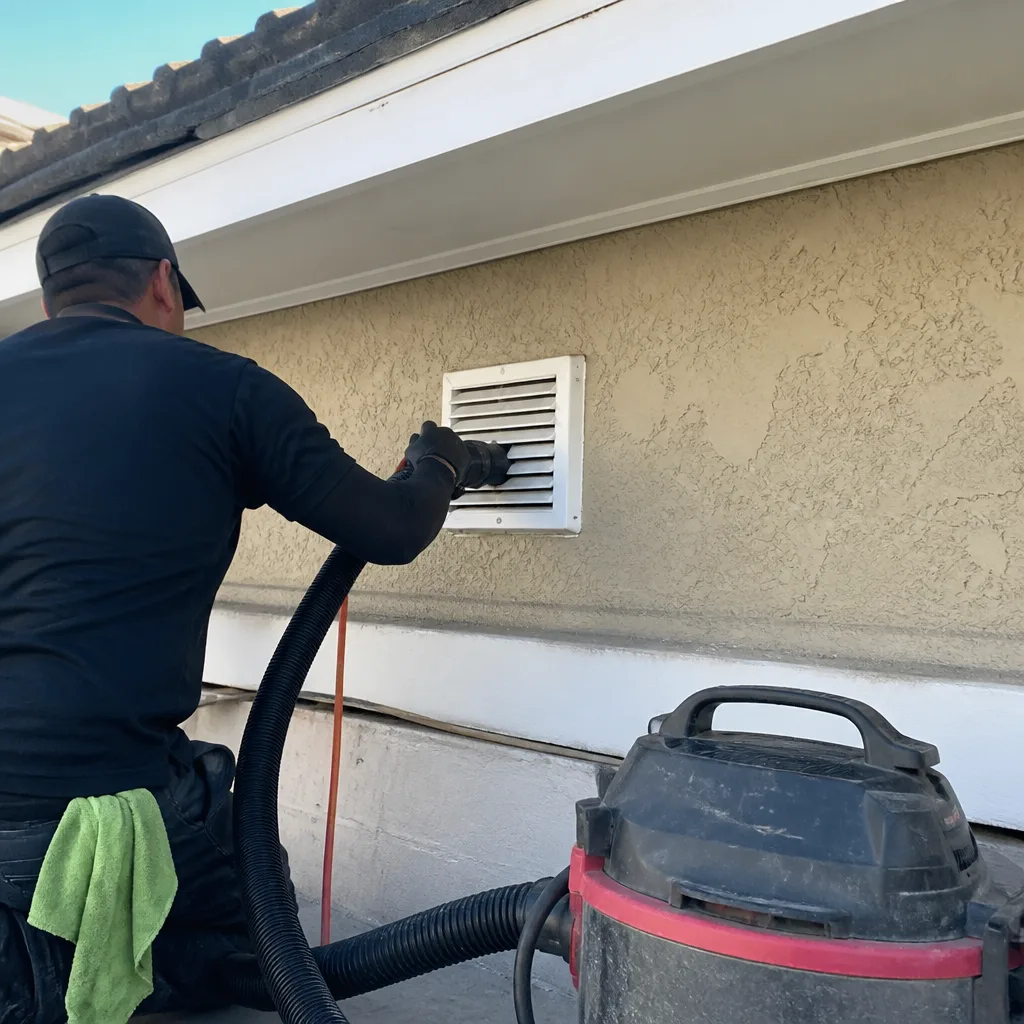
The equipment gap compounds this. Contractor-grade rotary brush systems like the Rotobrush equipment we use are designed for mechanical agitation of duct interiors, not for structural repair. Nikro HEPA filtration gear on our jobs is about contaminant containment during cleaning, not about code-compliant reconnection of separated duct sections. Abatement Technologies equipment serves the same containment function. None of this gear replaces the role of a licensed contractor performing permitted repair work. The right tool for cleaning is a rotary brush system. The right tool for repair is a C-20 license and a permit from the Chula Vista Building Division.
That division of labor protects homeowners. A cleaning company should tell you what’s wrong. A licensed contractor should fix it. Anyone offering to do both without the license for both is taking a shortcut you will pay for later.
Common Mistakes to Avoid
- Assuming no permit means no liability. Unpermitted duct work that leaks, separates, or causes energy loss is still your problem as the current owner. The absence of a permit may shield you from permit fees, but it doesn’t shield you from repair costs, and it creates disclosure obligations later.
- Using grey cloth duct tape to seal connections. It’s not an approved sealing material under the California Mechanical Code. It dries, cracks, and fails. The code specifies mastic and approved foil tapes. Using duct tape on a connection you later need inspected creates a code correction.
- Treating a cleaning inspection finding as a DIY repair prompt. When a cleaning reveals disconnected duct work, the right next step is a licensed contractor and a permit, not a Saturday afternoon in the crawlspace. Your handiwork may function, but it won’t be code-compliant, and it will surface later.
- Replacing flex duct without checking Title 24 thresholds. Some homeowners assume replacing a “small” amount of duct avoids the energy code. Title 24 alteration thresholds can be triggered by work that feels minor, especially when done in connection with other system changes.
- Believing a home inspector will catch everything. Home inspectors are generalists. They may note visible duct issues but they rarely open walls or chase down every run. The unpermitted modification you don’t disclose will eventually be found, often by the buyer’s HVAC contractor after escrow.
- Paying a discount cleaner who can’t distinguish cleaning from repair. A technician who doesn’t know the difference between a cleanable condition and a code violation gives you a false sense of resolution. Contractor-grade equipment and a technician trained to identify structural problems matter.
- Pulling a permit for work that doesn’t need one. This sounds backwards, but over-permitting can be its own problem: it puts your project into a review queue, adds fees, and triggers inspection requirements that cleaning alone never needed. Know the line.
See the difference
 Before
 After
 Before
 After
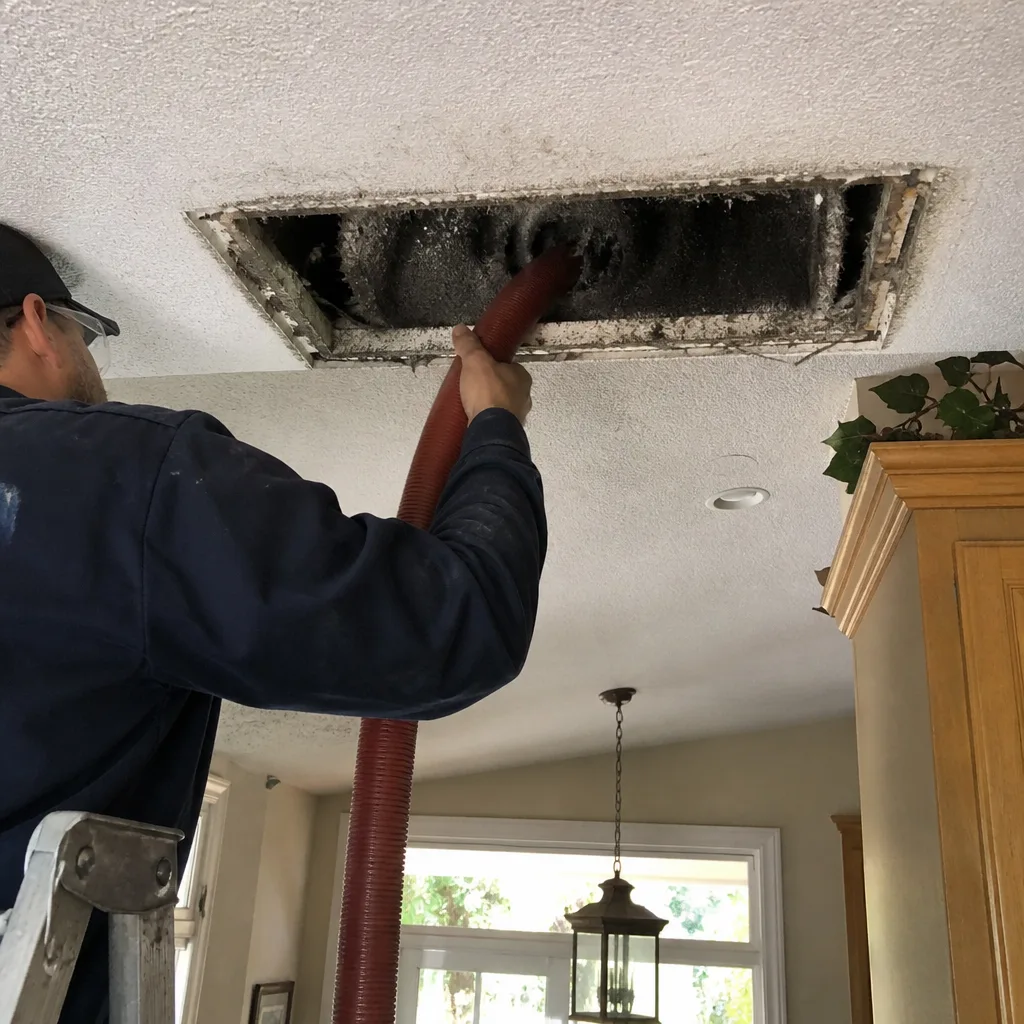 Before
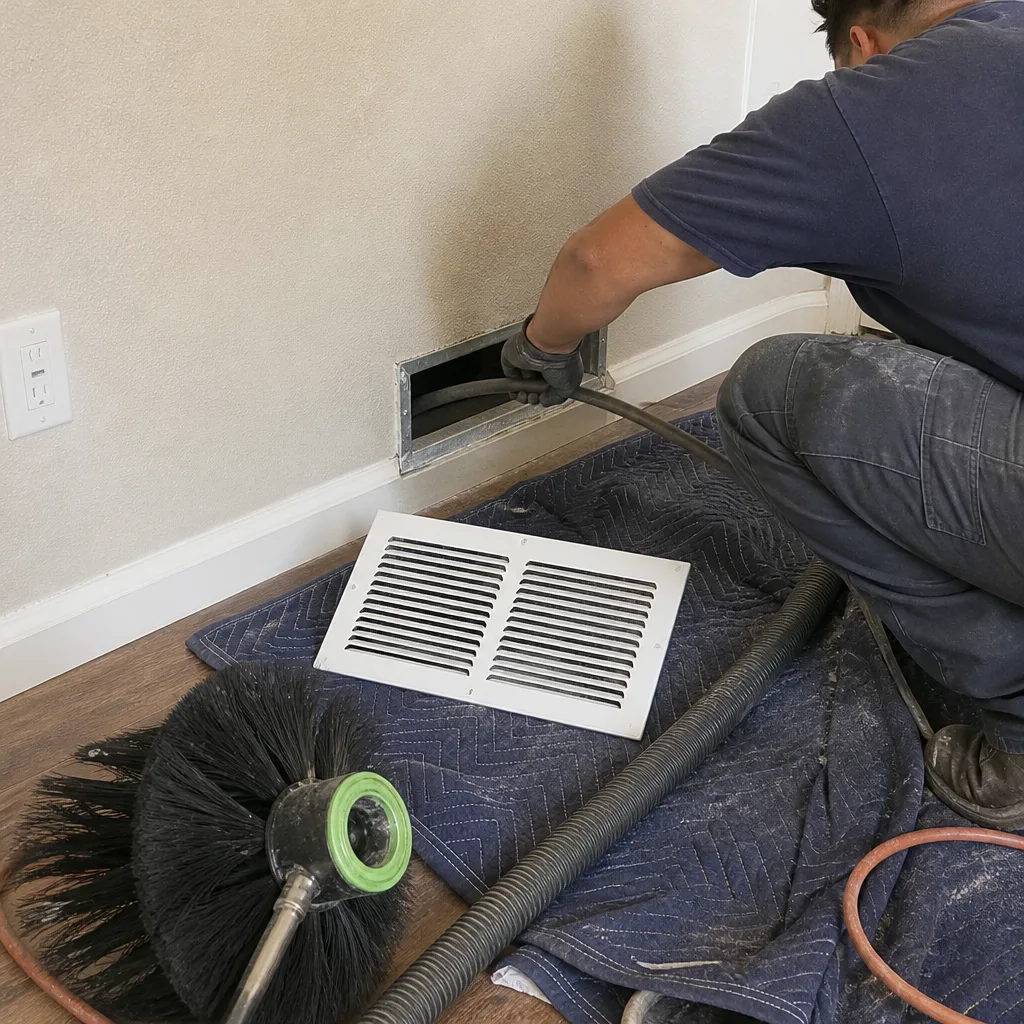 After
When to Call a Professional
Call a professional when your duct system shows signs of disconnection, collapsed flex runs, visible separation at takeoff collars, or airflow that’s obviously imbalanced between rooms. You need a C-20 licensed contractor for the repair, and you need a company with the right equipment to clean the system properly before or after that repair. In Chula Vista, you’ll find plenty of companies offering one or the other. You want a partner who knows where the line is and doesn’t pretend otherwise. Our team at Cornerstone Duct Cleaning provides contractor-grade cleaning with Rotobrush, Nikro, and Abatement Technologies equipment, and we’ll document any findings that require licensed repair work. We repair what others only clean around. Call (877) 824-2920 for a free estimate.
Frequently Asked Questions
No. Duct cleaning is considered routine maintenance and requires no permit from any California municipality, including the City of Chula Vista Building Division. The permit conversation begins only when cleaning reveals damage that requires repair, replacement, or modification of duct work.
Chula Vista requires permits for duct section replacement, reconnection of disconnected trunks or branches, any change in system capacity such as adding or removing registers, and re-routing of existing ductwork. Minor reattachment of a friction-fit takeoff that requires no tools or sealant is generally treated as incidental maintenance.
California’s Title 24 energy code requires duct systems in new construction and significant alterations to meet specific leakage limits, verified through HERS duct-leakage testing. When duct work is modified enough to trigger Title 24 alteration thresholds, the permit process includes energy-compliance documentation beyond the mechanical inspection itself.
Only if that company holds a C-20 warm-air heating, ventilating, and air-conditioning contractor’s license from the California Contractors State License Board. A company providing solely cleaning services cannot legally perform repair work. The cleaning company’s role is to identify and document the damage; a licensed contractor’s role is to correct it under permit.
CMC Chapter 6 requires that duct connections be sealed with mastic or approved tape products. Grey cloth duct tape, despite its name, is not an approved sealing material and will fail inspection if used on a permitted repair. The code is specific about this because failed sealing drives energy loss and contaminant intrusion.
Look for duct sections that appear newer than the surrounding structure, visible grey duct tape at connections, or airflow that’s obviously weak in some rooms. A professional cleaning inspection with camera documentation will identify conditions that suggest prior modification. If you find evidence of unpermitted work, the cleanest resolution is to pull a permit for a code-compliant correction before the issue surfaces at resale. If you’re in Chula Vista and want an honest assessment of what’s actually inside your ducts, call (877) 824-2920.
The Bottom Line
Duct cleaning needs no permit. Duct repair does, and the line between the two is where most Chula Vista homeowners get caught. The California Mechanical Code governs materials, clearances, connections, and support. Title 24 layers energy-compliance requirements on top of that. A professional cleaning inspection is your best early-warning system for finding code issues before they become resale liabilities. When we clean a system in Chula Vista and find disconnected ductwork or crushed flex runs, we tell you exactly what we found, what the correction involves, and who needs to do it. That’s the difference between a company that cleans ducts and a company that understands the full air pathway, permits included. Our Cornerstone Duct Cleaning home page explains our full process. We serve Chula Vista and surrounding San Diego County communities with Air Duct Cleaning in Chula Vista, Dryer Vent Cleaning in Chula Vista, and Air Duct Repair in Chula Vista. Built on the right foundation, with the right equipment and the right answer when you call.
Written by the team at Cornerstone Duct Cleaning, serving Chula Vista since 2013. Explore more guides & resources on maintaining healthy indoor air.